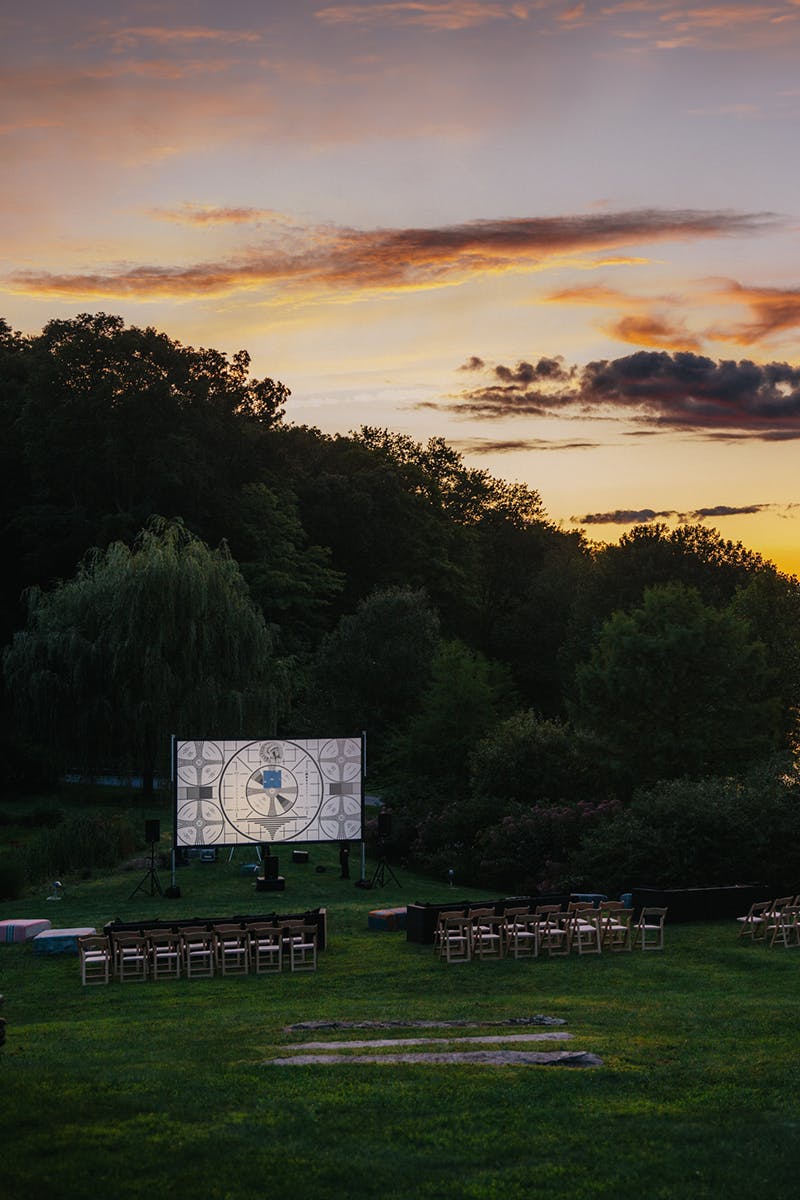
SoMad and Upstate Films present Know Your Place, a free outdoor program and short film screening in the welcoming courtyard behind Midtown Kingston’s latest gathering space, Kestrel Tavern.
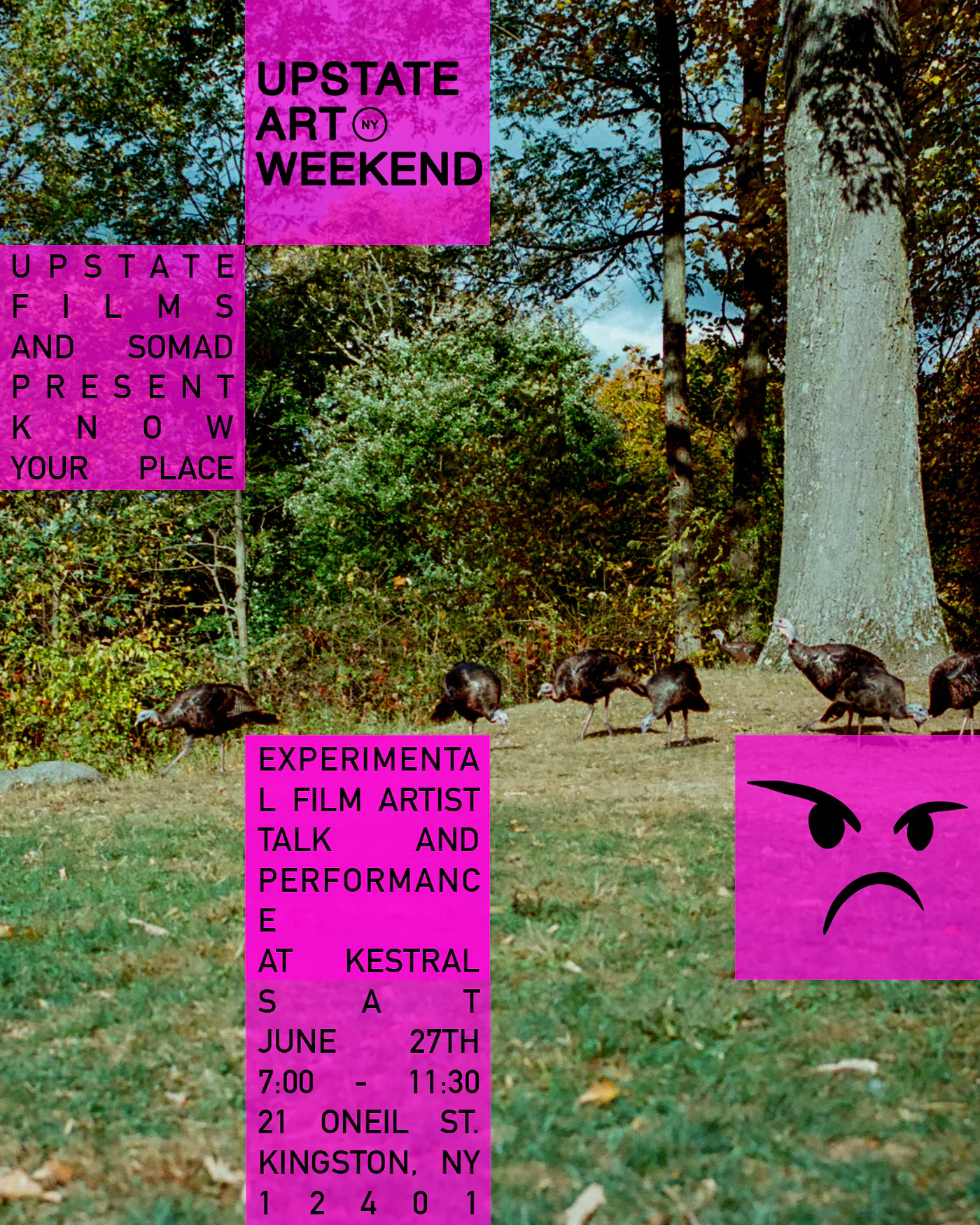
The program explores who gets to claim, move through, and belong to the land. Across documentary, puppetry, and mockumentary, six films trace how colonialism drives environmental destruction, and how land and its nonhuman inhabitants remember what we choose to forget. Humor and absurdity become tools for reckoning with systems of extraction, erasure, and resistance.
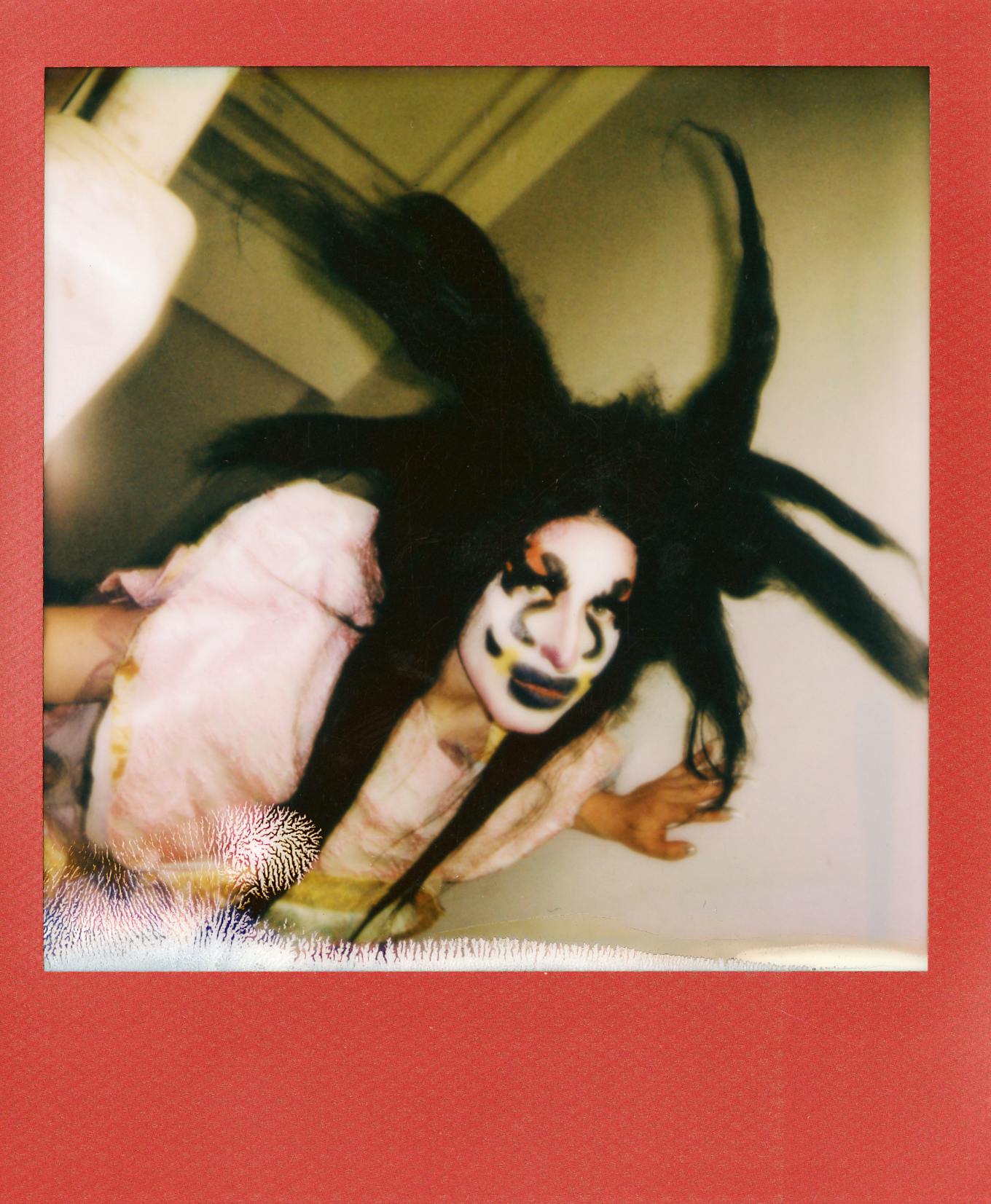
The evening opens with an artist talk between SoMad Artist-in-Residence Regan De Loggans and Esther, The Bipedal Entity!, discussing Regan’s piece Thank You, Come Again, a communal bandera woven from consumer plastic and built on a loom of reclaimed police barricades. It will be on view as a starting point for conversation about land, belonging, and the art world’s own entanglements with tokenization, co-opted social justice language, and the pitfalls of representation. Esther closes with an historical drag performance. Drinks, dancing, and food all in Kestrel’s backyard.
About the Films
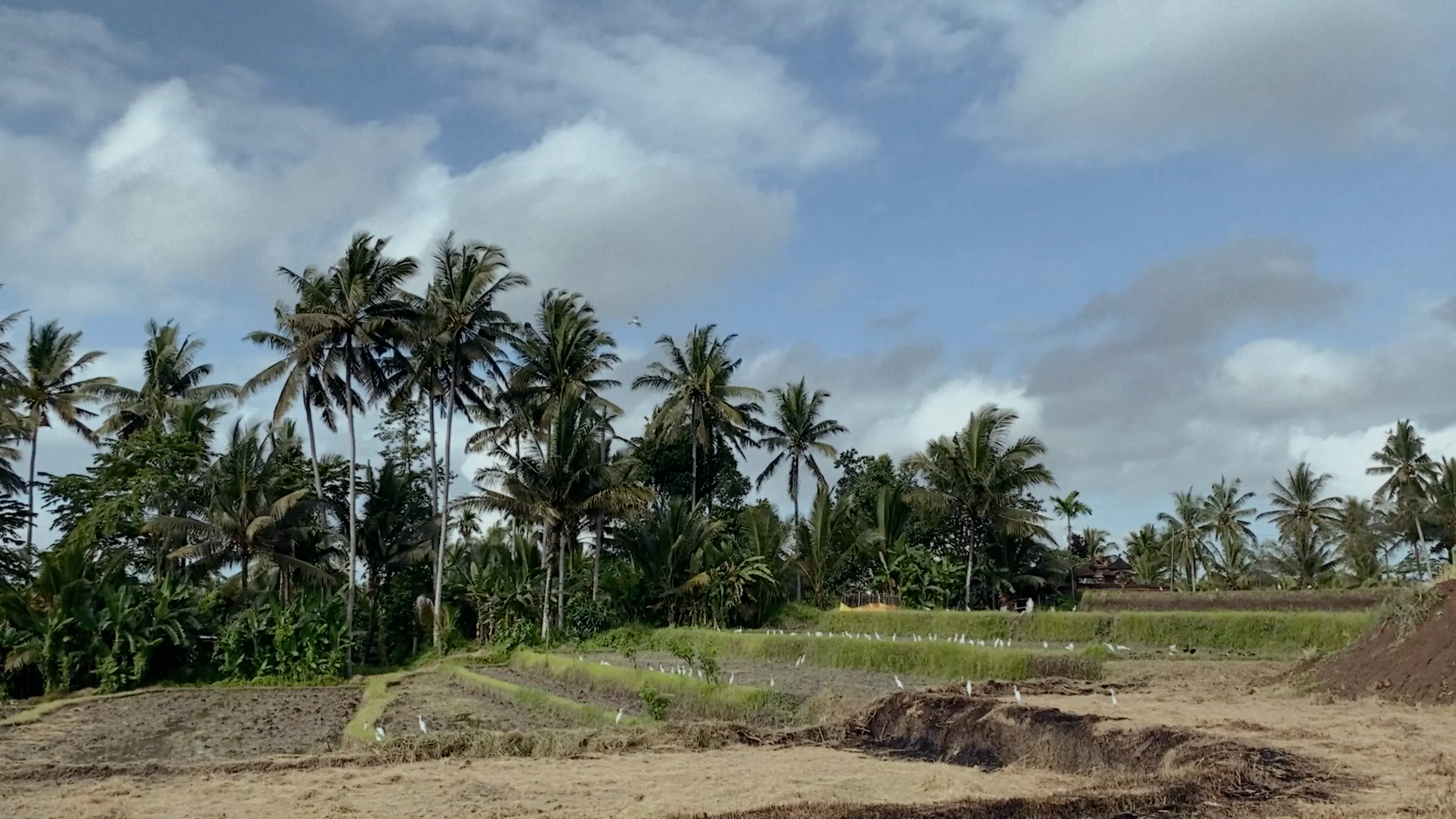
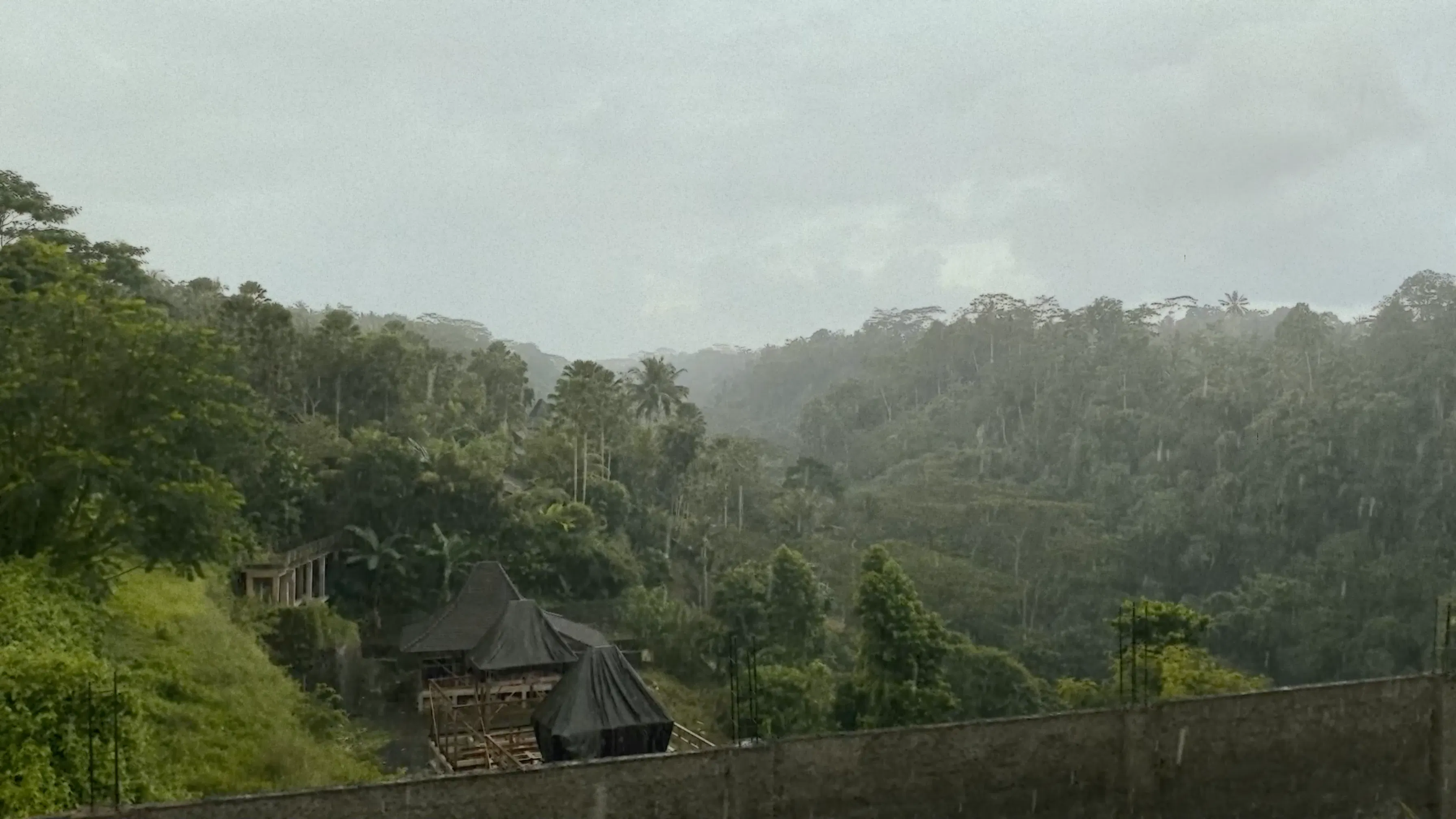
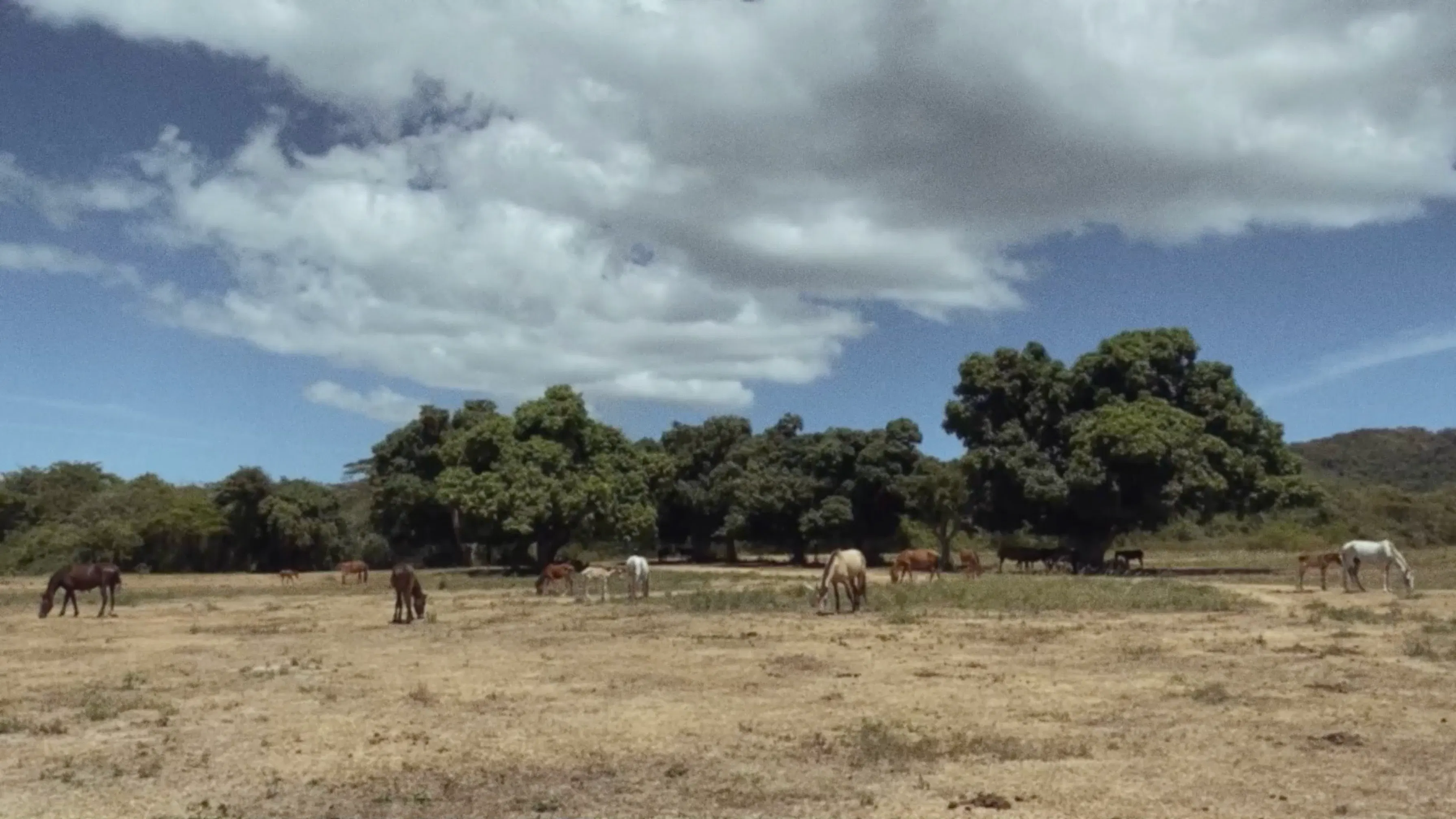
Notes from Silences by Alexandra Kumala
14:15 min
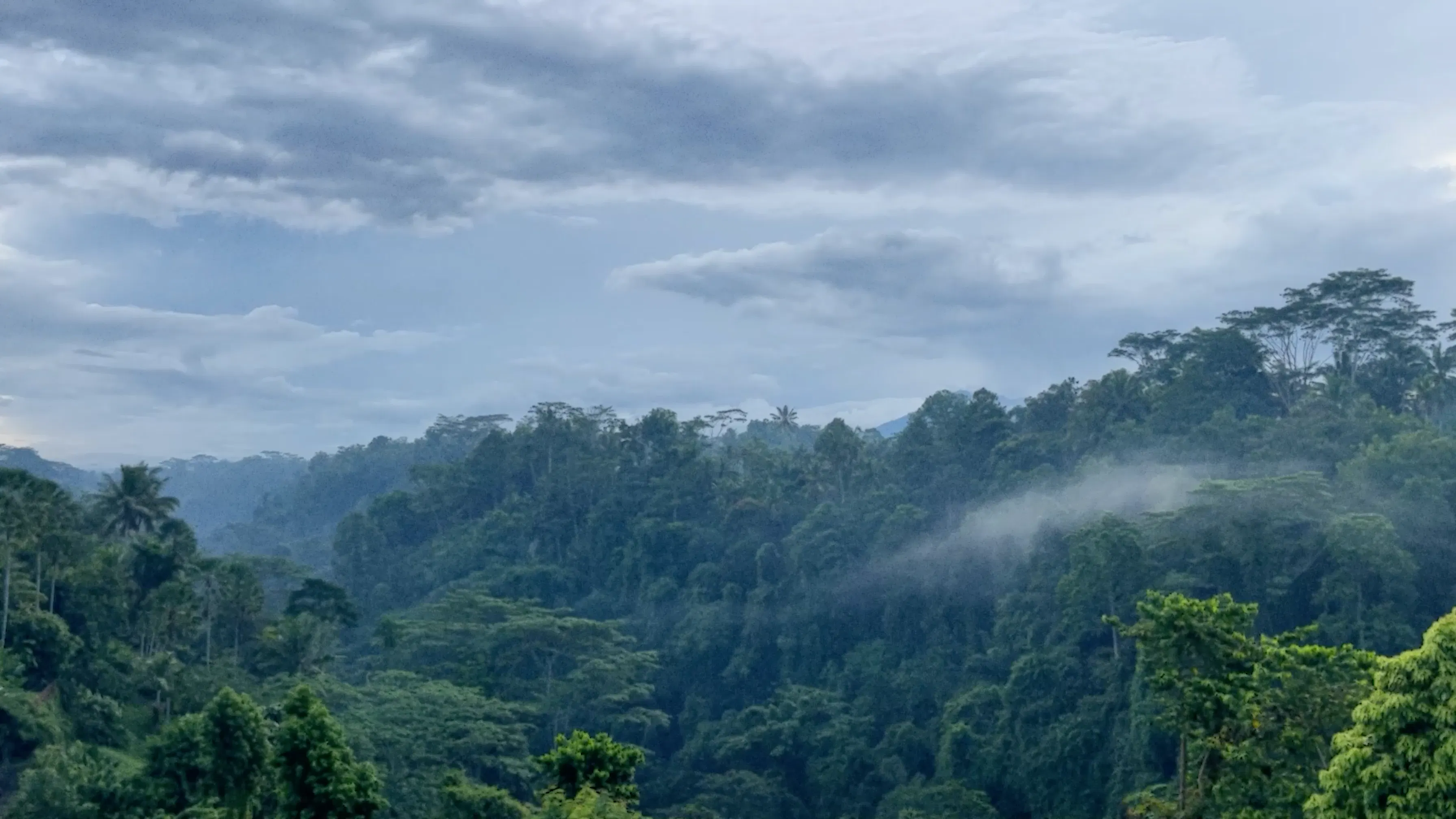
Notes from Silences' gathers fractured memories from Vieques and Bali, two islands on opposite ends of the world that seem like "paradise fantasy" on the surface, but conceal a common buried history. Unplanned footage, photographs, and snippets of voice recordings intertwine with the sounds of nonhuman kin that bore witness when humans choose to forget. Beneath what seems to be banalities of everyday life, lies the loudest echo of violence: the silences people continue to keep.
Swimming Lesson by Vardit Goldner
5:12 min
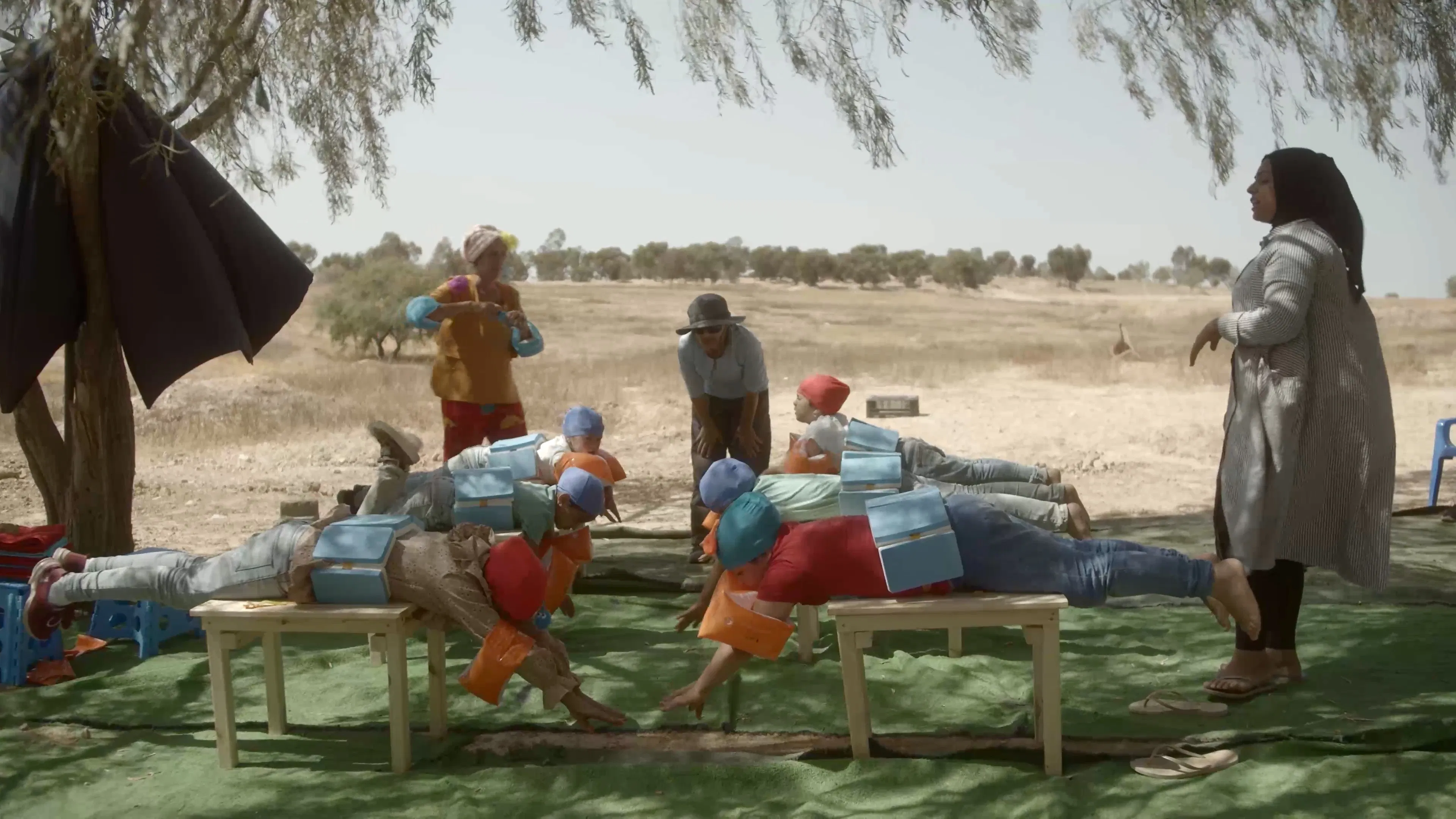
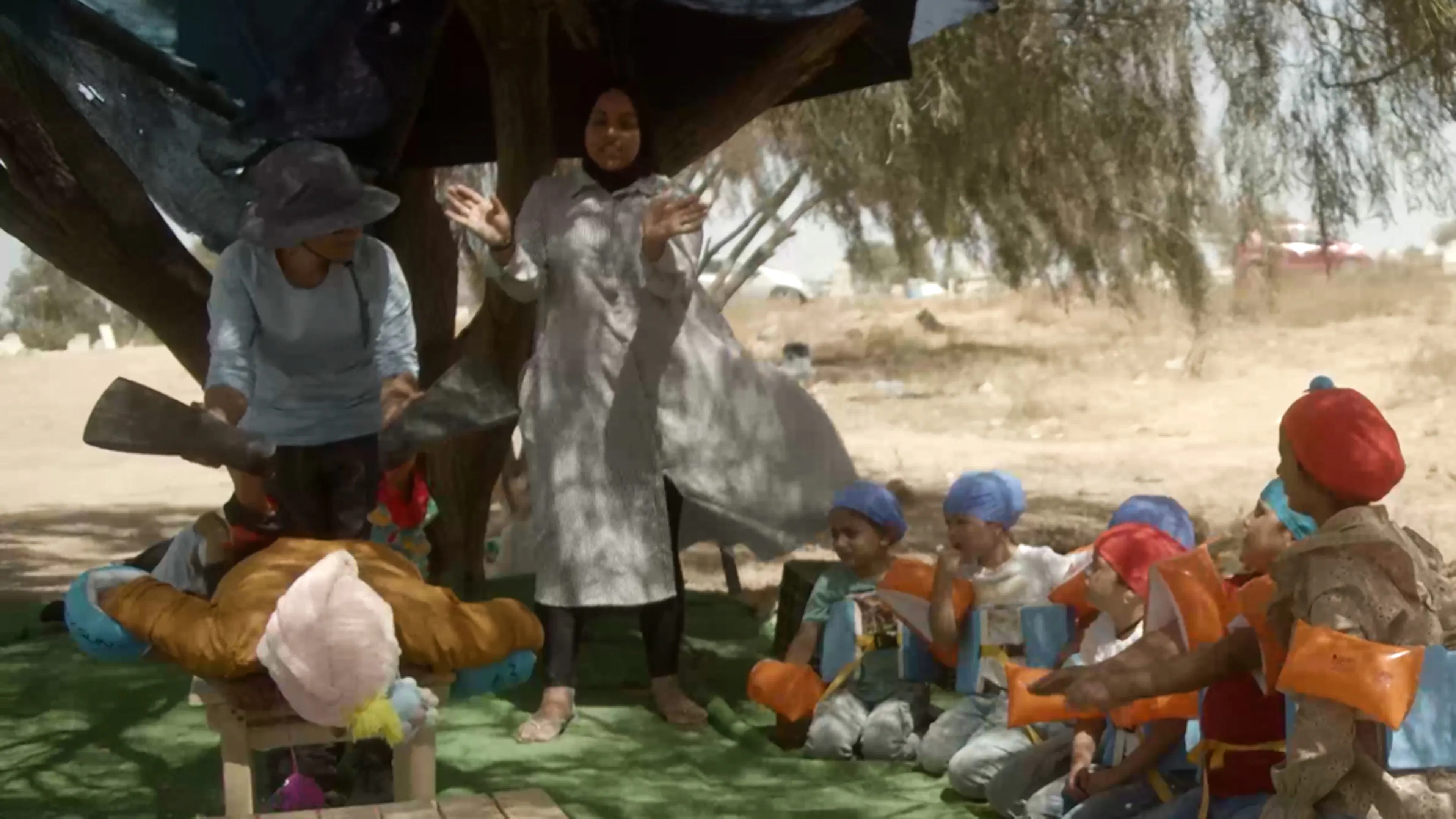
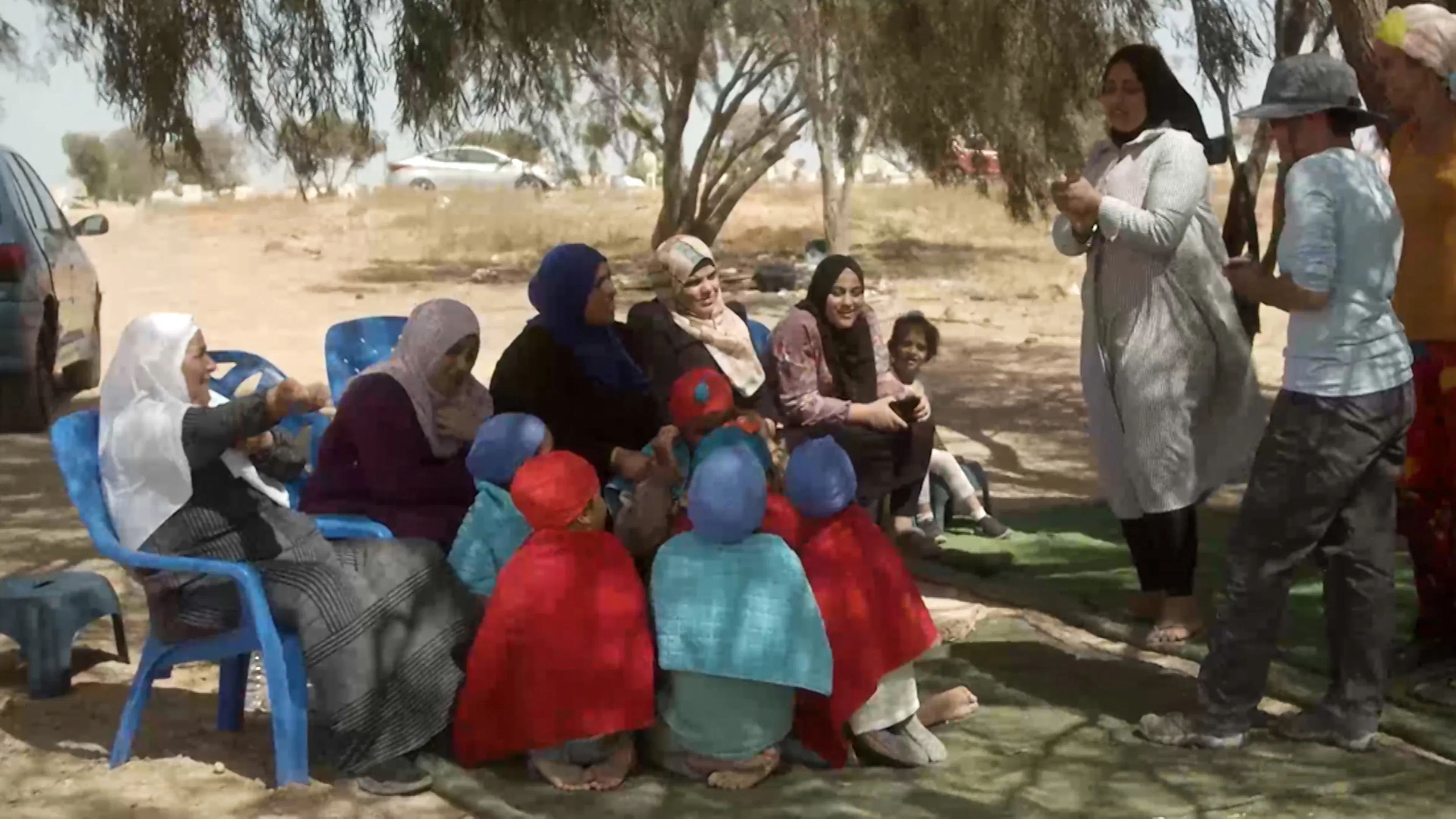
Swimming Lesson is a mockumentary film in which Bedouin girls are taught to swim in a waterless "pool." The work deals with the lack of swimming pools accessible to Bedouins in Israel — a product of institutionalized racism that stems from colonialism — which denies them swimming lessons and causes frequent cases of drowning. There are over 200,000 Arab-Bedouins living in the Negev region of Israel today, with access to one single swimming pool inaugurated in the Bedouin town of Rahat in 2018. Bedouins are not allowed to enter swimming pools in Jewish localities. The film raises awareness of this discrimination as an example of a much wider system of apartheid, while also looking toward a future world where a shortage of water due to global warming, drought, and evaporation compounds these injustices further.
Our Mine by Shayna Strype
10:27 min
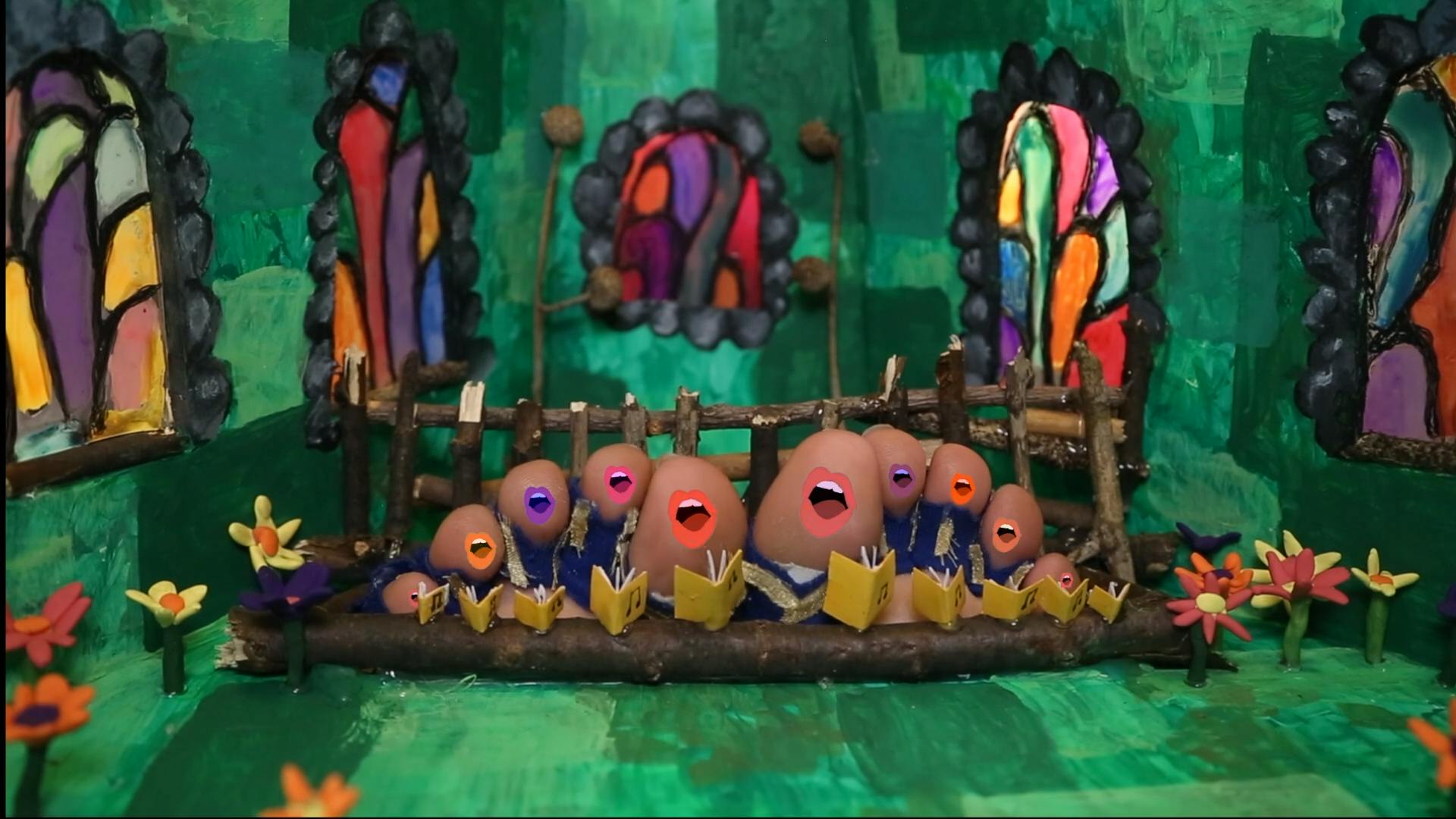
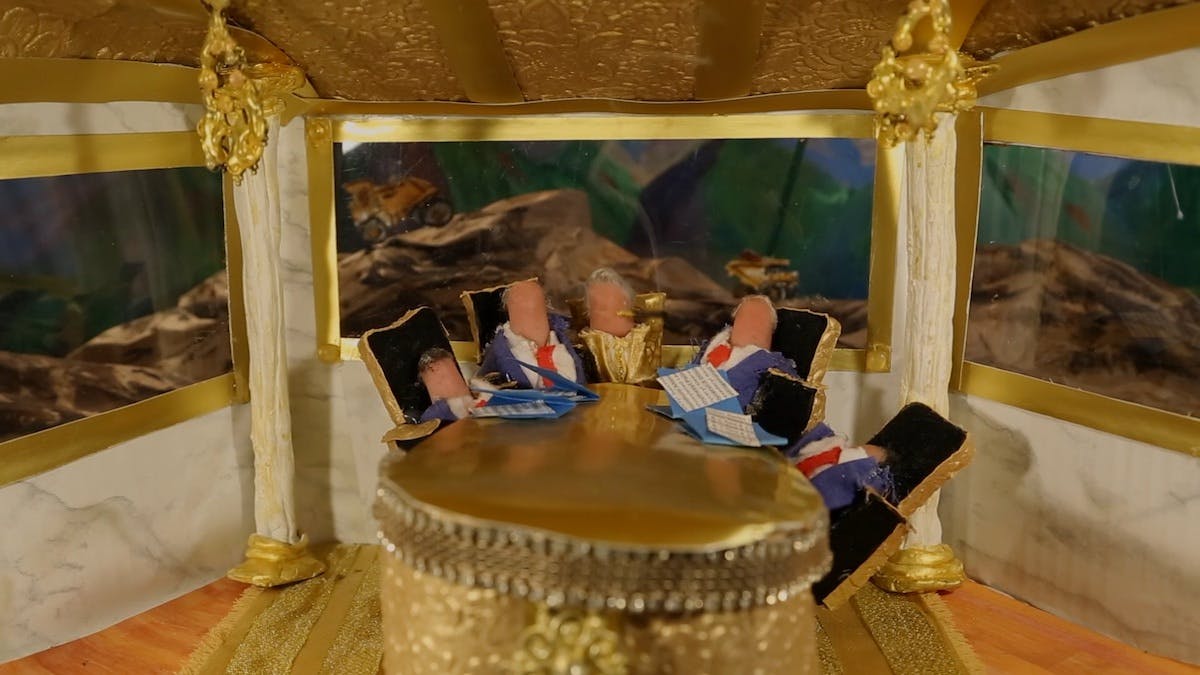
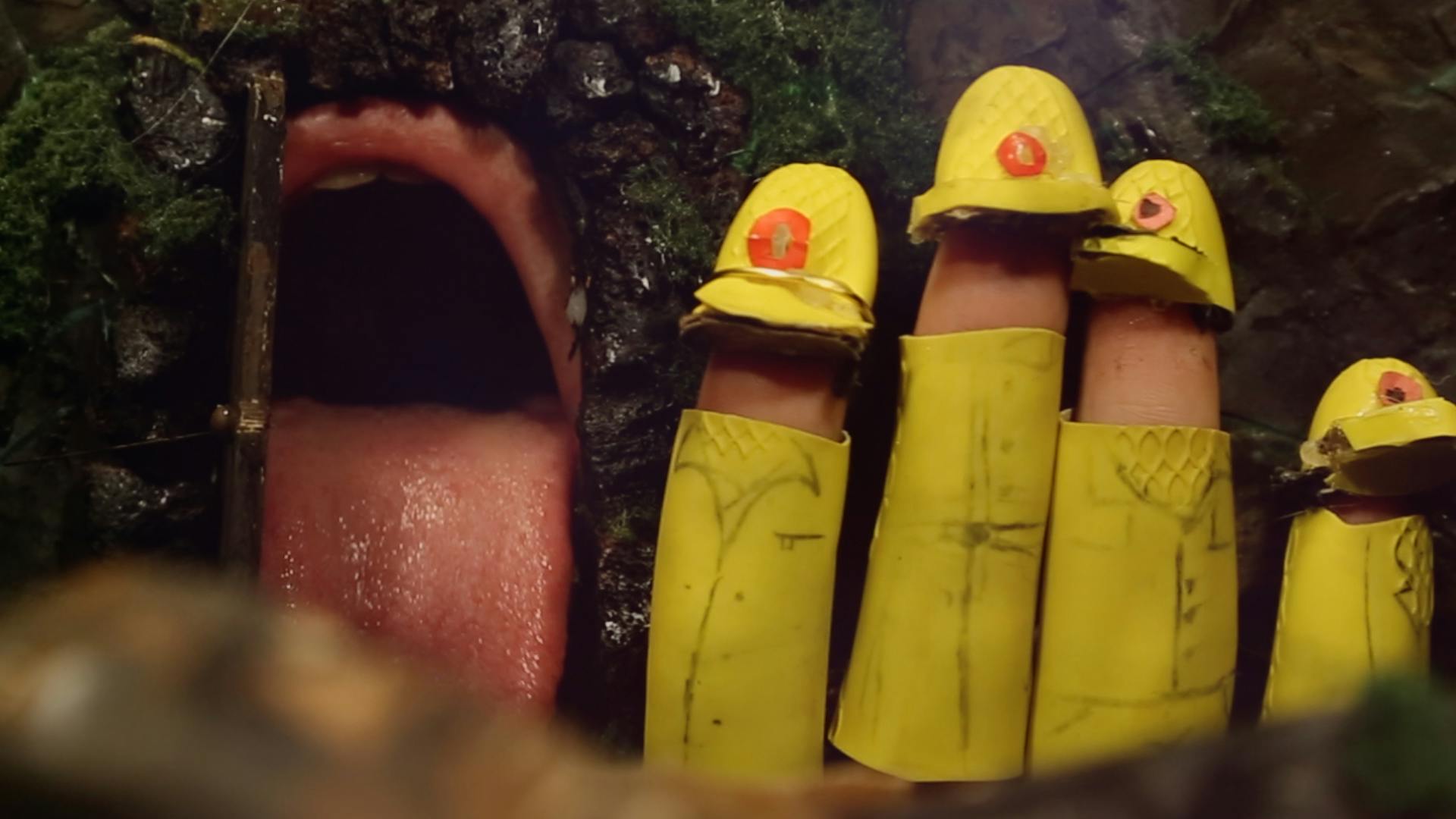
In a handcrafted world where nature exists in harmony, a handful of greedy businessmen exploit a mountain’s riches. The female body becomes both landscape and characters in an exploration of what happens when Man considers himself separate from Nature. This ecofeminist tragicomedy uses animation, live puppetry, and wearable sculpture to blur the lines between fable and reality.
Stroad Movie by Pablo Garcia
10 min
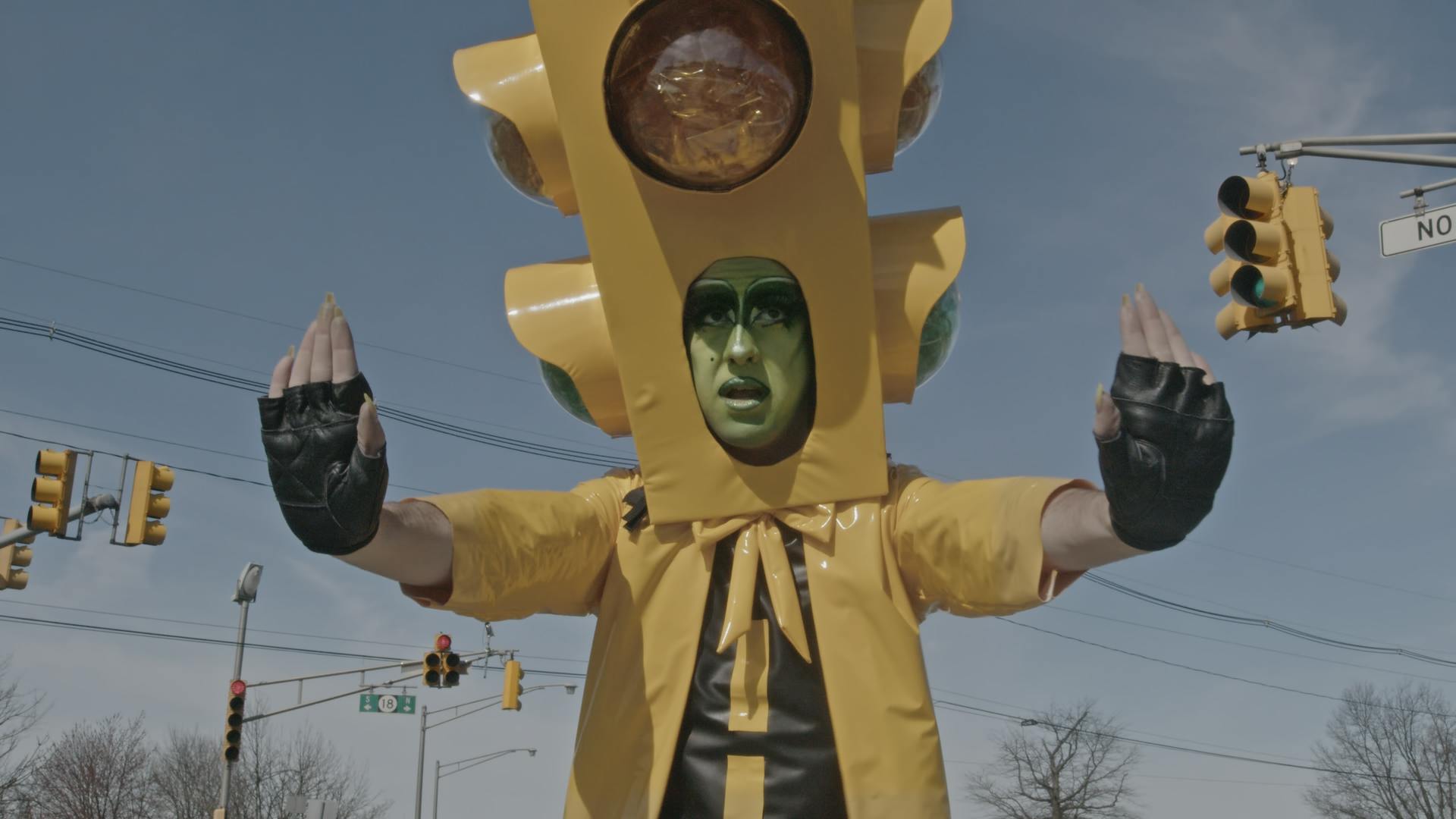
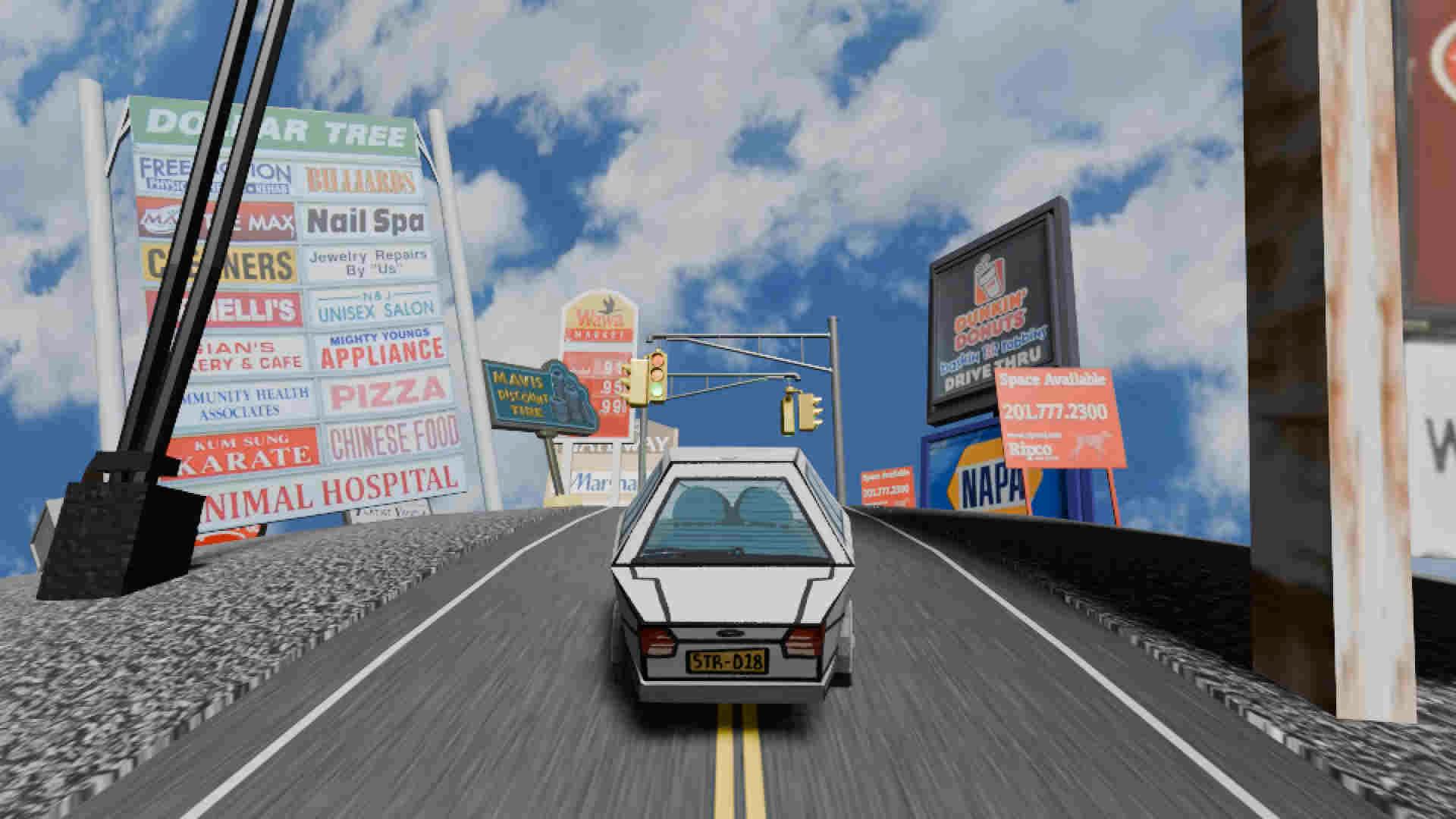
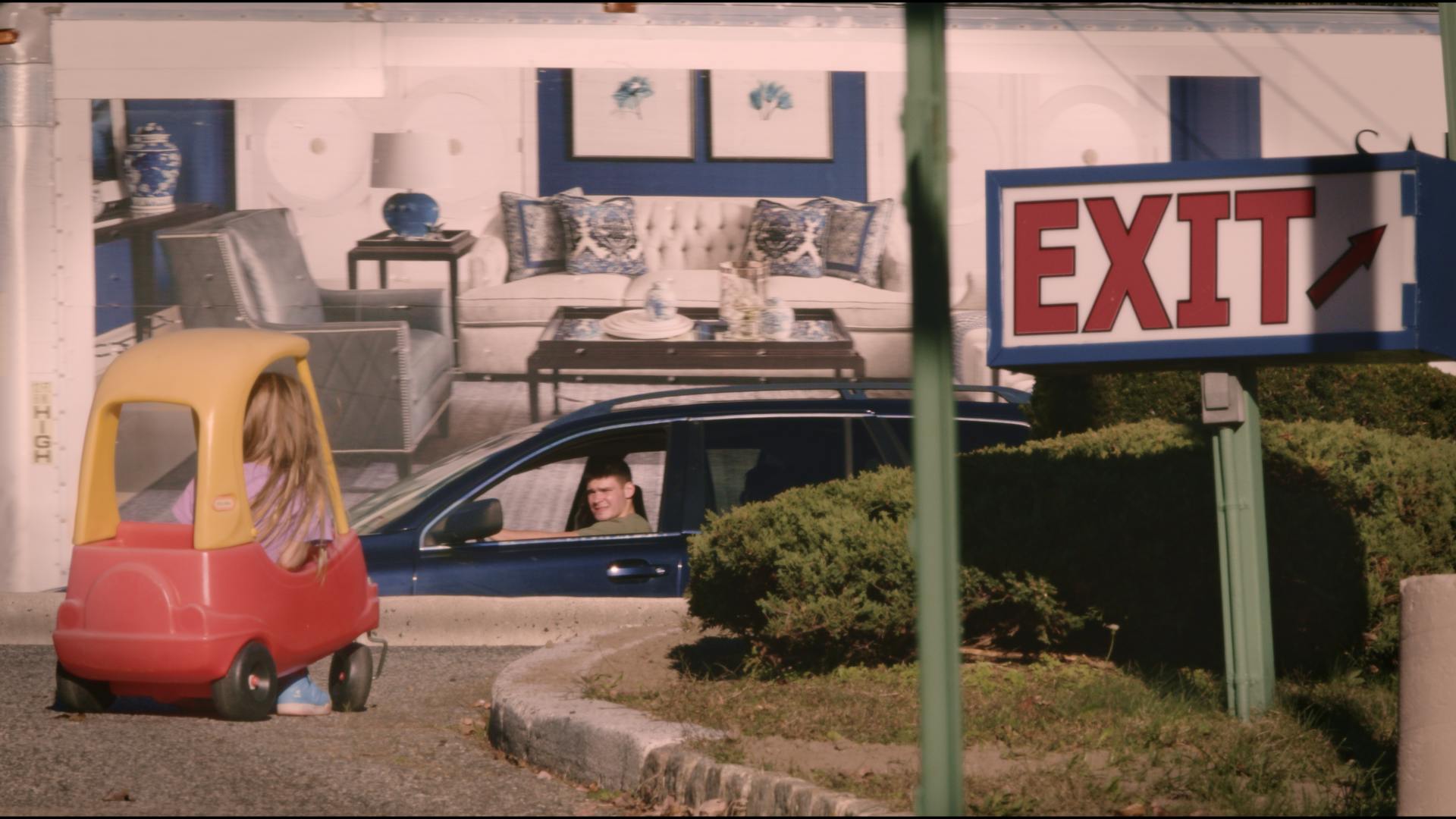
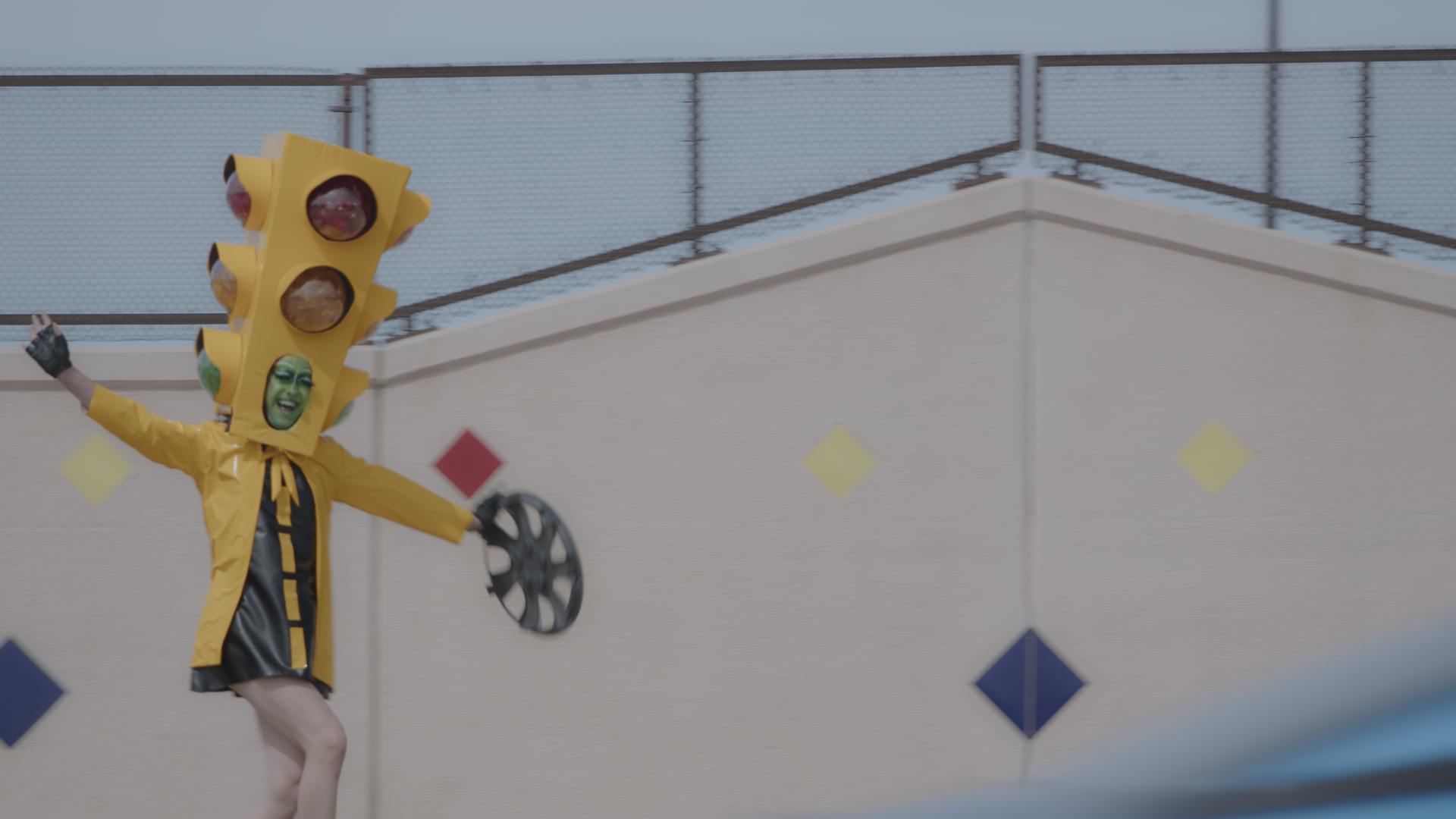
Streets, roads, and their bastard offspring the "stroad" are characterized by long stretches of durable material that provide a clear and safe route between destinies. They may contain markings that dictate behavior or inspire feelings of existential dread. If you can resist the powerful flow of commerce, even for a moment, you may discover that getting lost is the key to freedom.
This is a film about queering an otherwise soulless landscape and the inevitability of nature reclaiming humanity's mistakes.
“Even the simplest least interesting landscape often contains elements which we are quite unable to explain, mysteries that fit into no known pattern.” -J.B. Jackson
The Insufferable Whiteness of Being by Anxious to Make (Liat Berdugo + Emily Martinez)
12:30 min
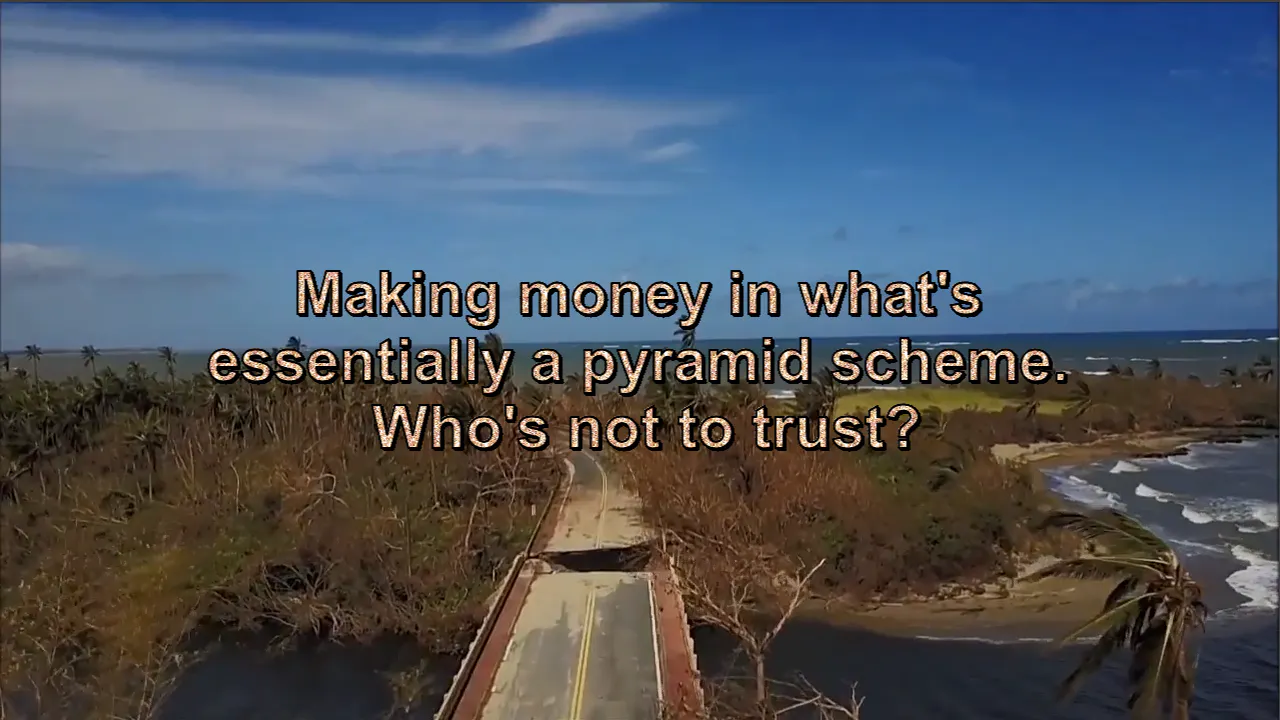
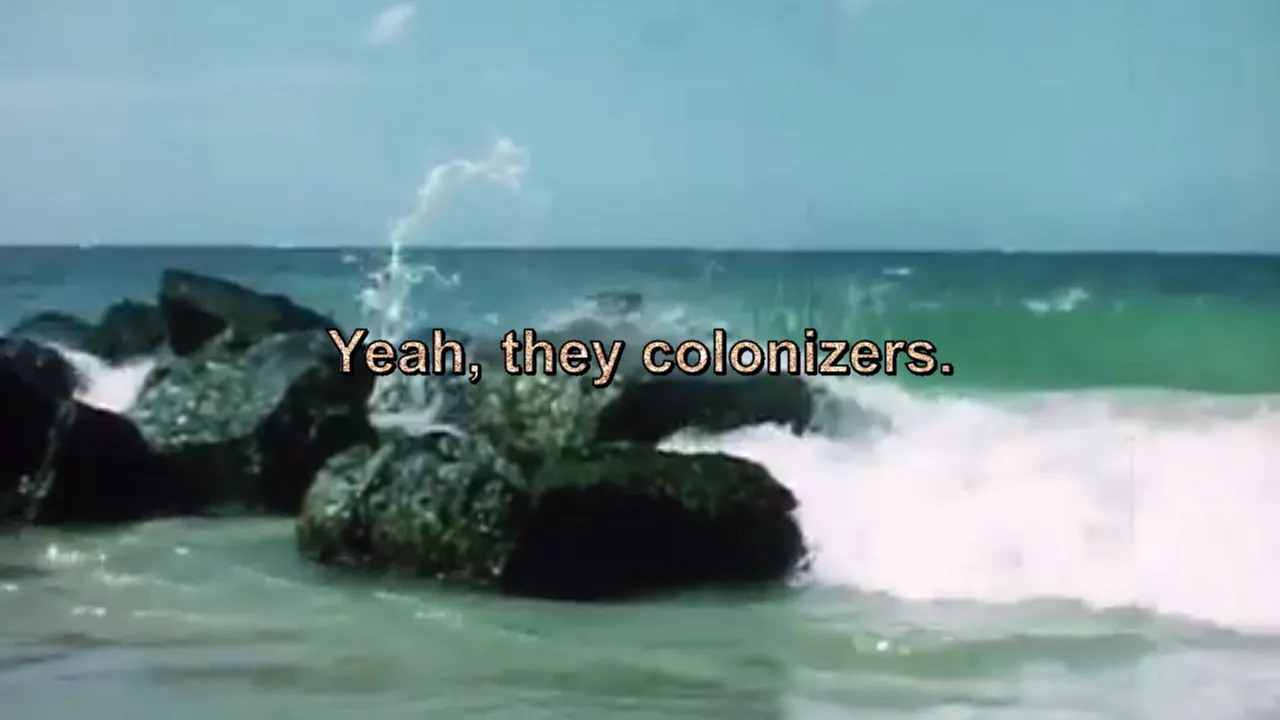
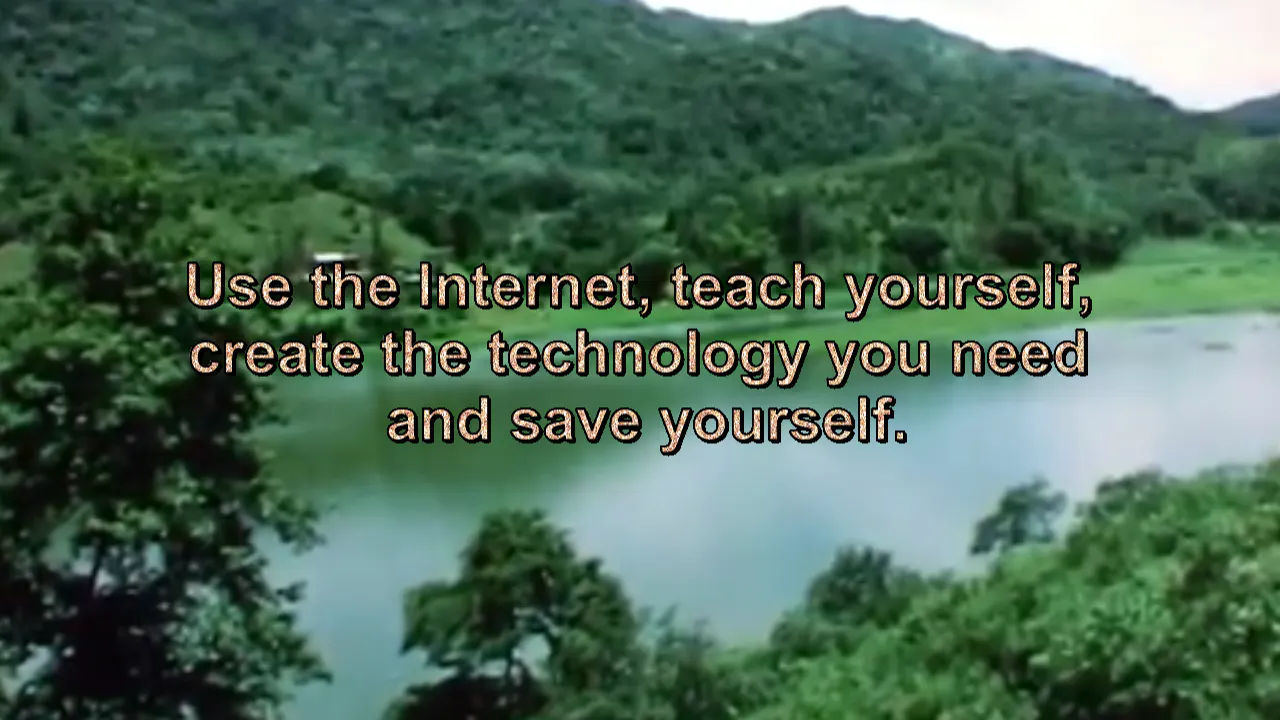
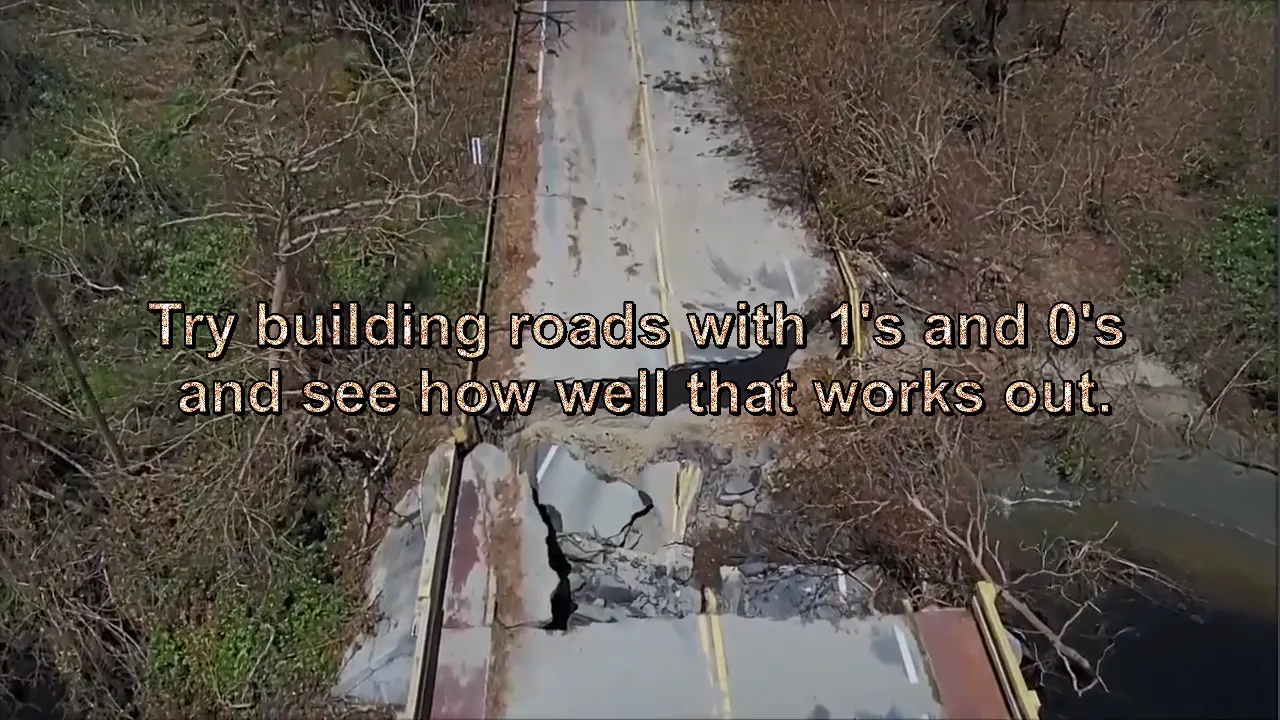
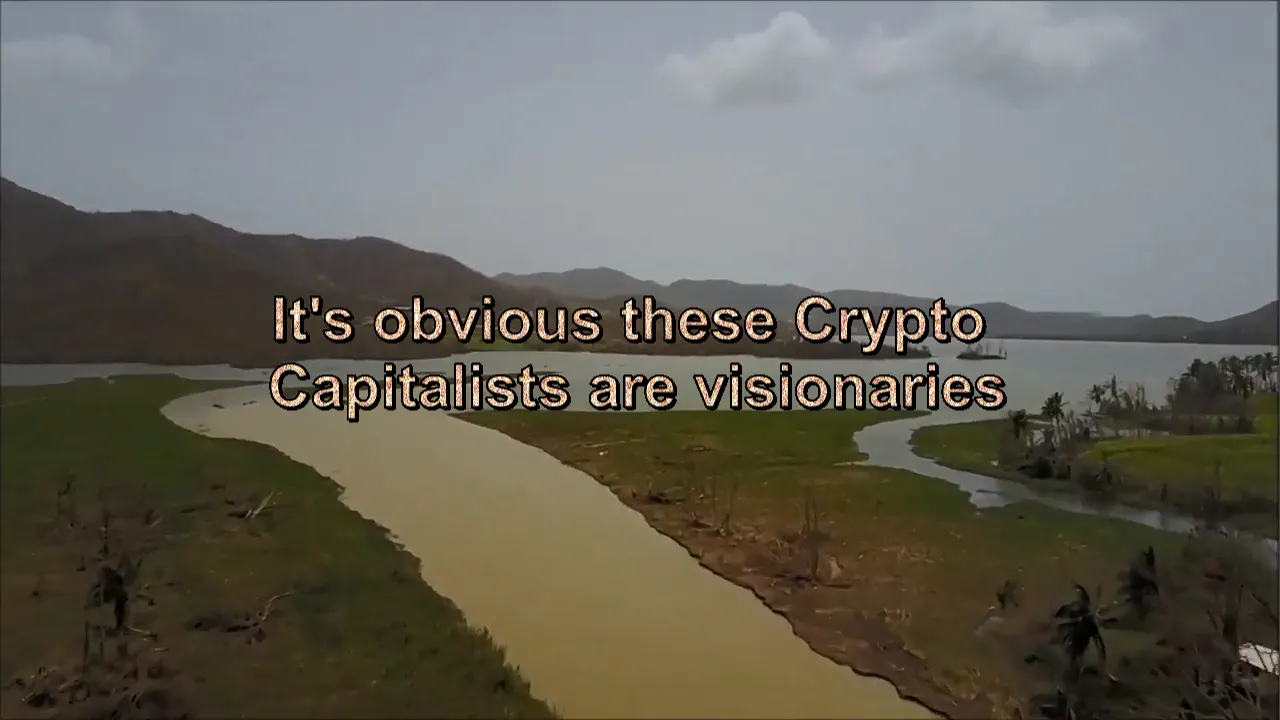
As crypto-rich investors relocate to Puerto Rico to build a new crypto-utopia called “Sol” (formally, “Puertopia”), The Insufferable Whiteness of Being considers their utopian vision within the larger historical context of colonialism and exploitation on the island. The video combines text drawn from online, comment-thread arguments about the island’s future with images of Puerto Rico from Western art history, travel and tourism videos, U.S. military training documentation, luxury real estate tours, and post-hurricane Maria drone footage.
I Get to Have My Own Private Hope by Yue Nakayama
20:30 min
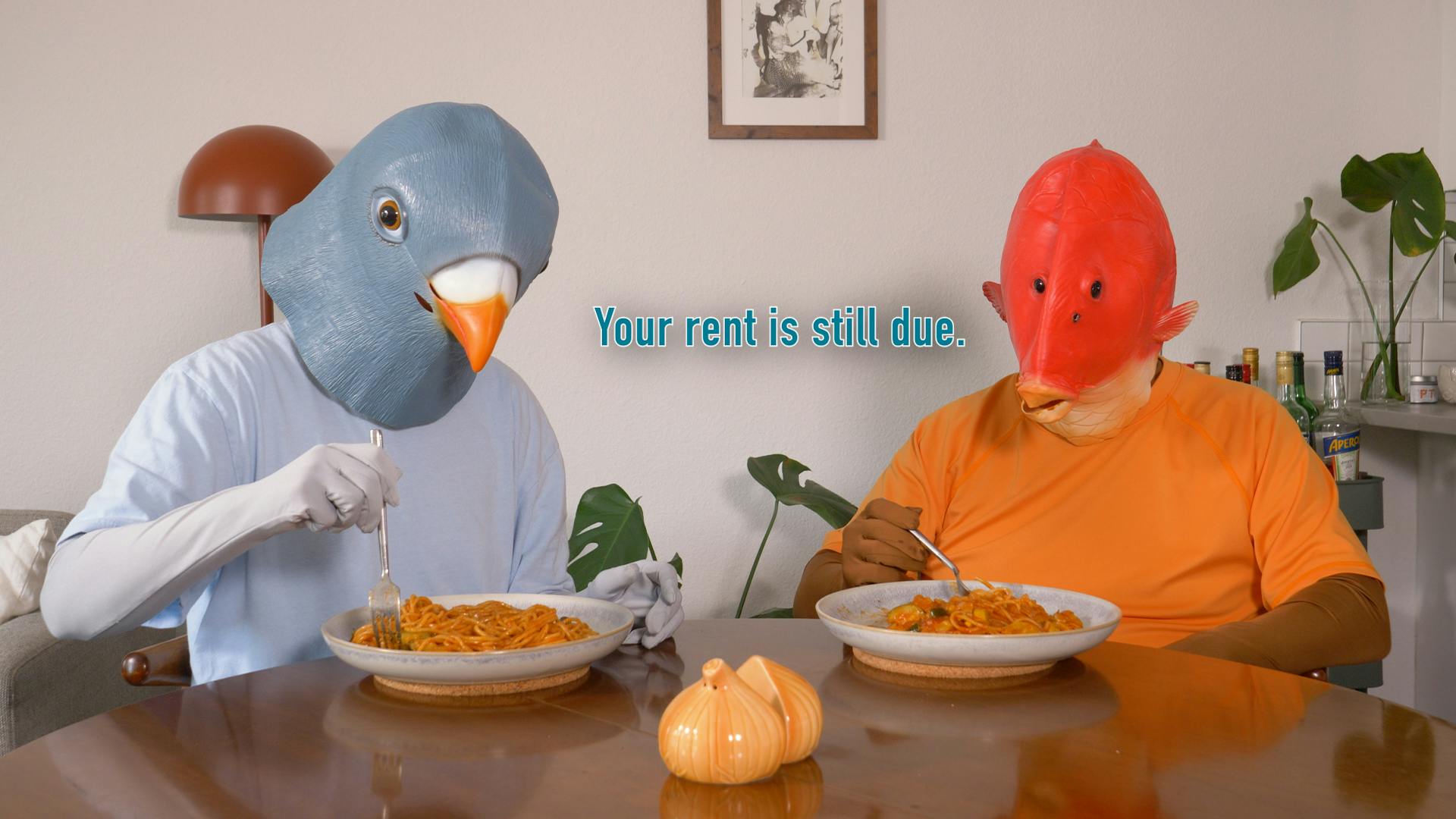
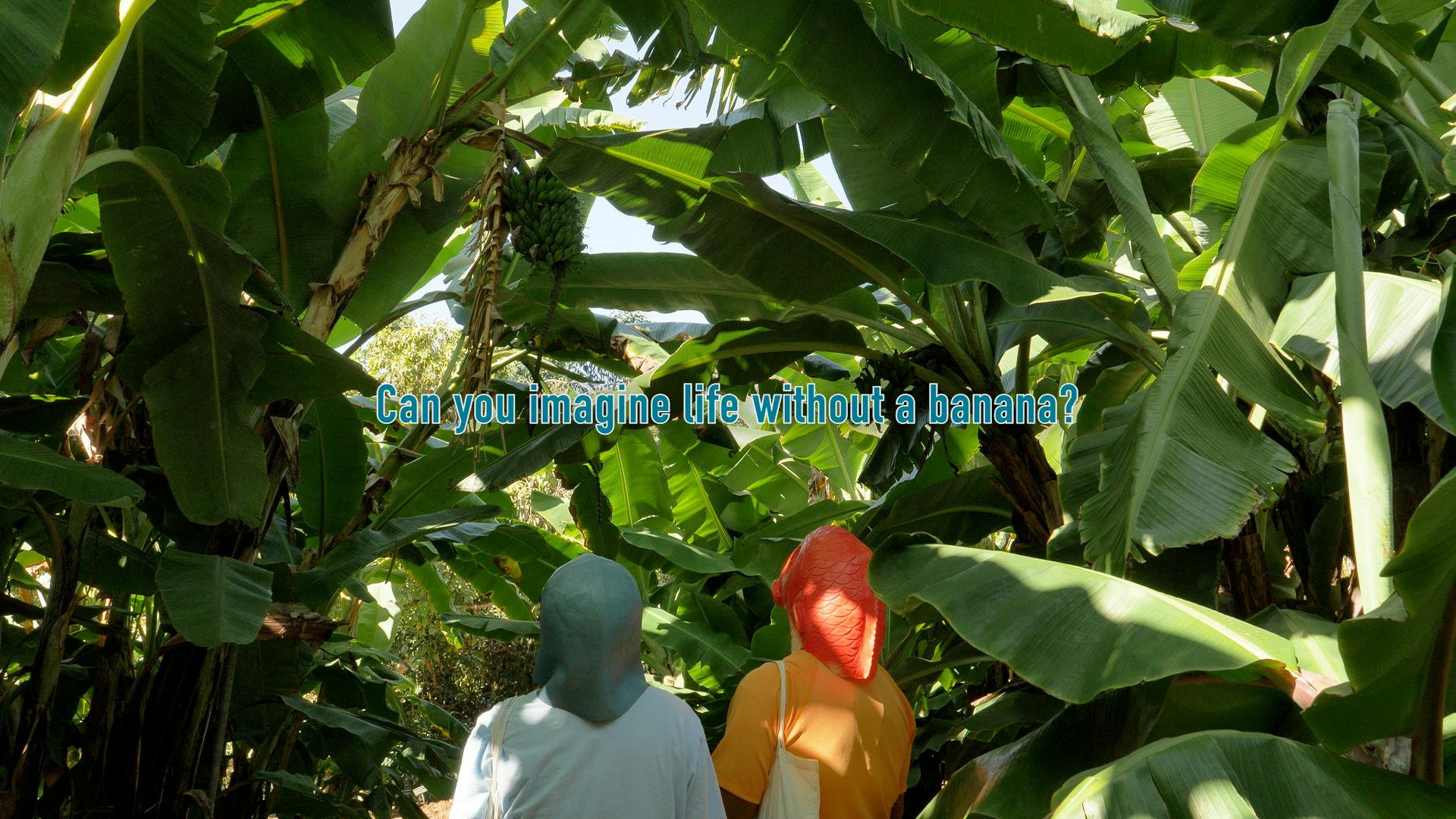
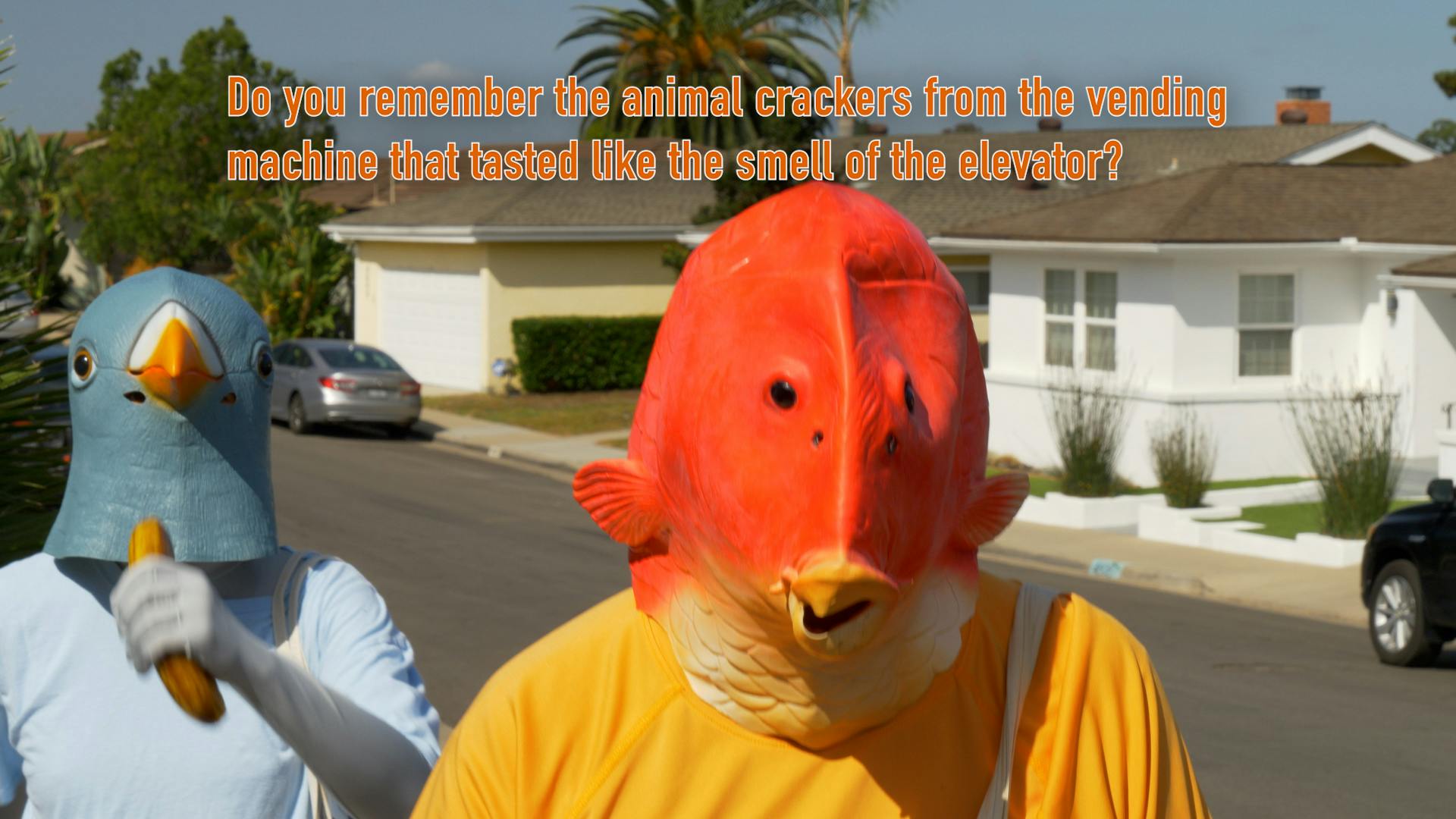
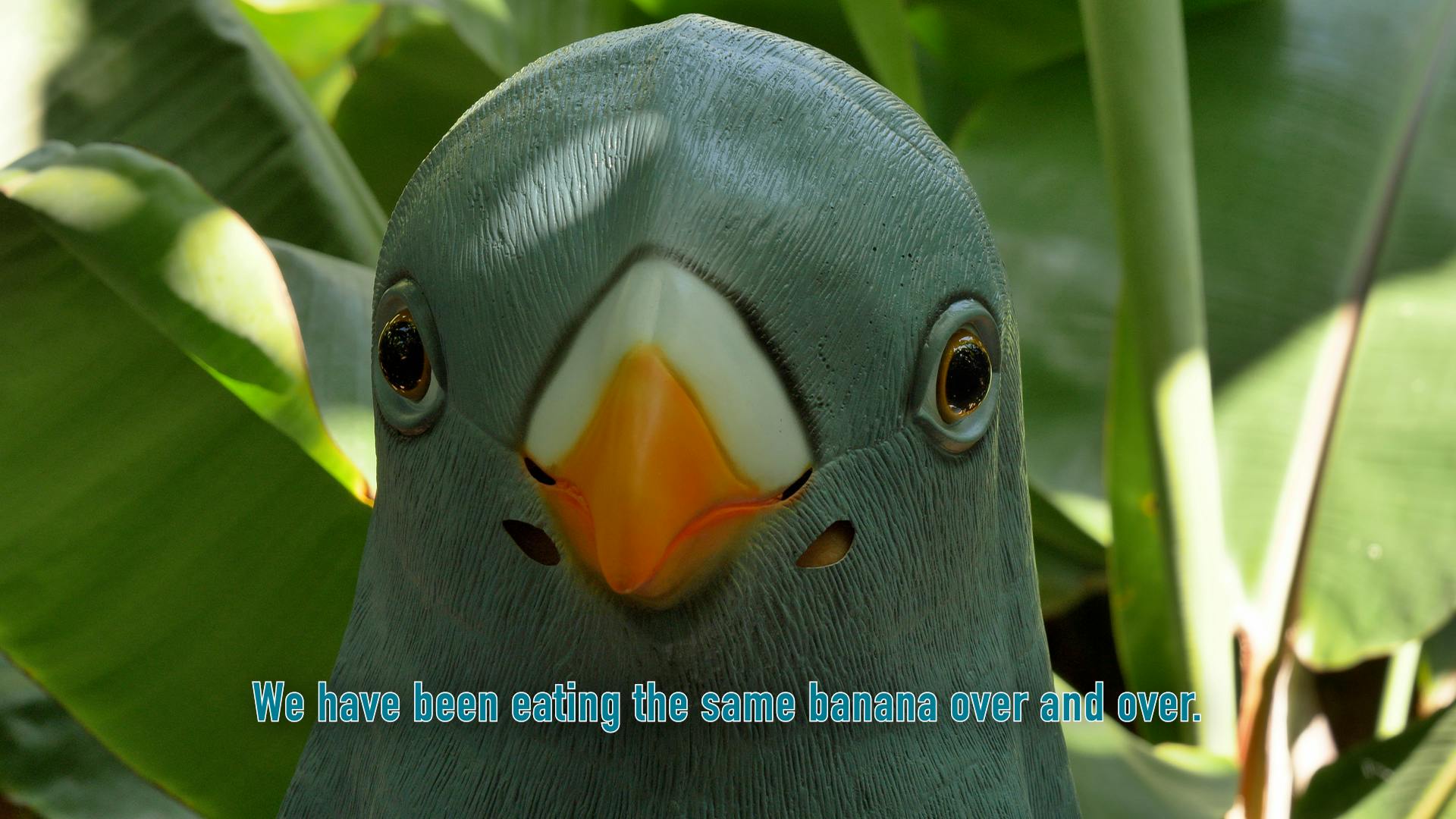
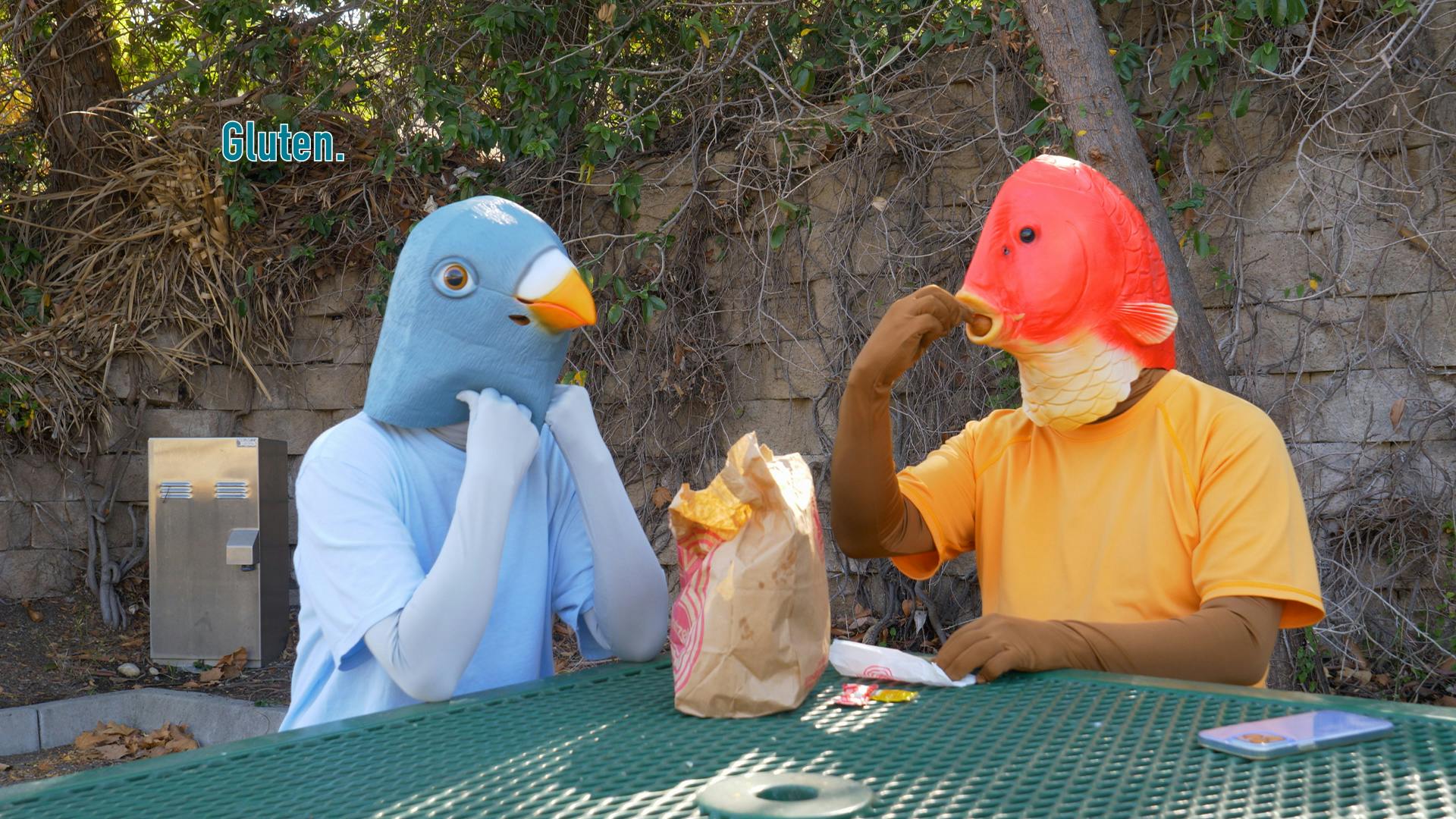
Fish and Pigeon go on a quest in search of the meaning of “work” prompted by the news of the extinction of bananas, and rent that’s passed due. The piece questions today’s work conditions and societal structure through the precarity of Fish’s life and disappearing bananas.
About Thank You, Come Again
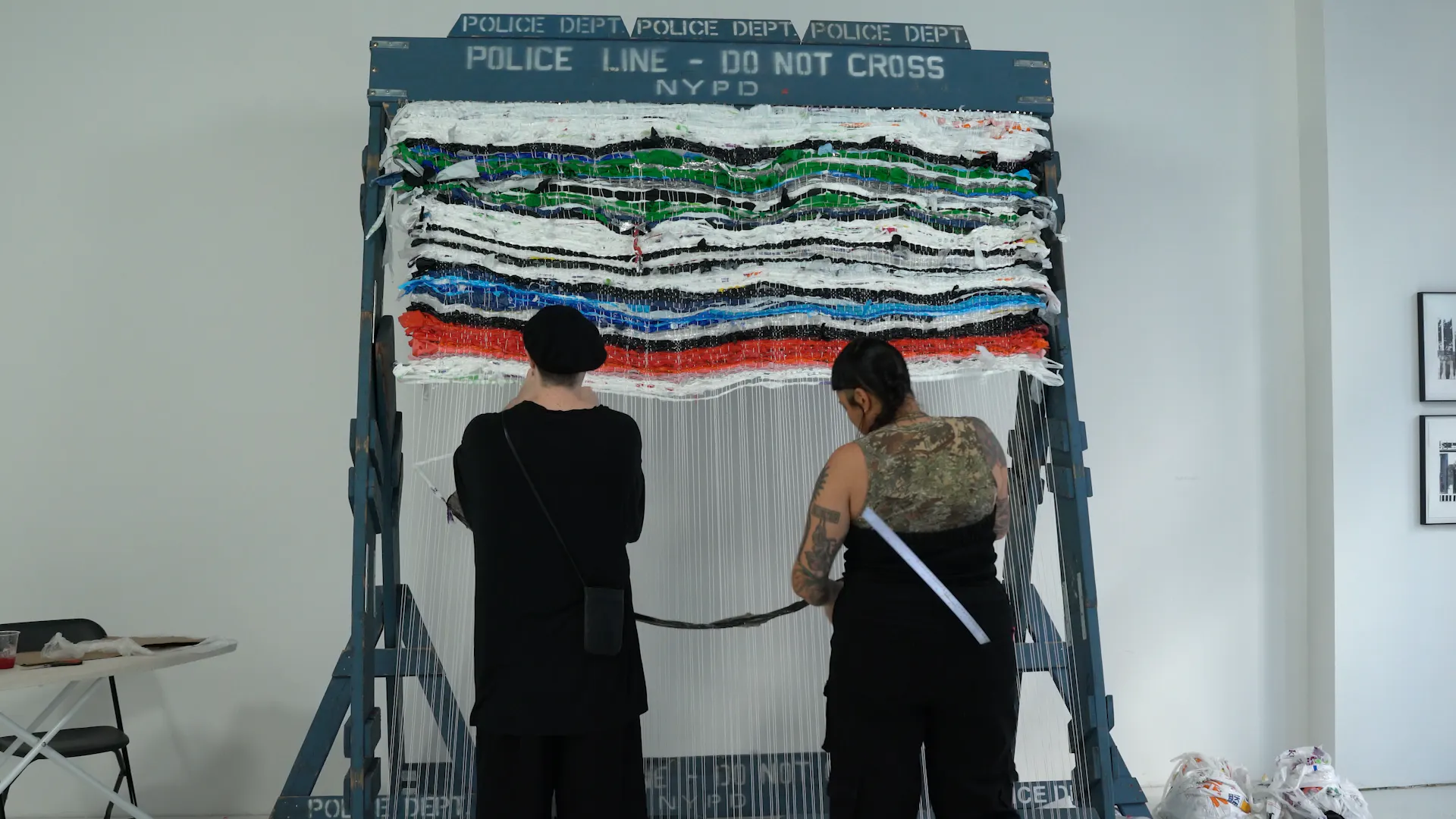
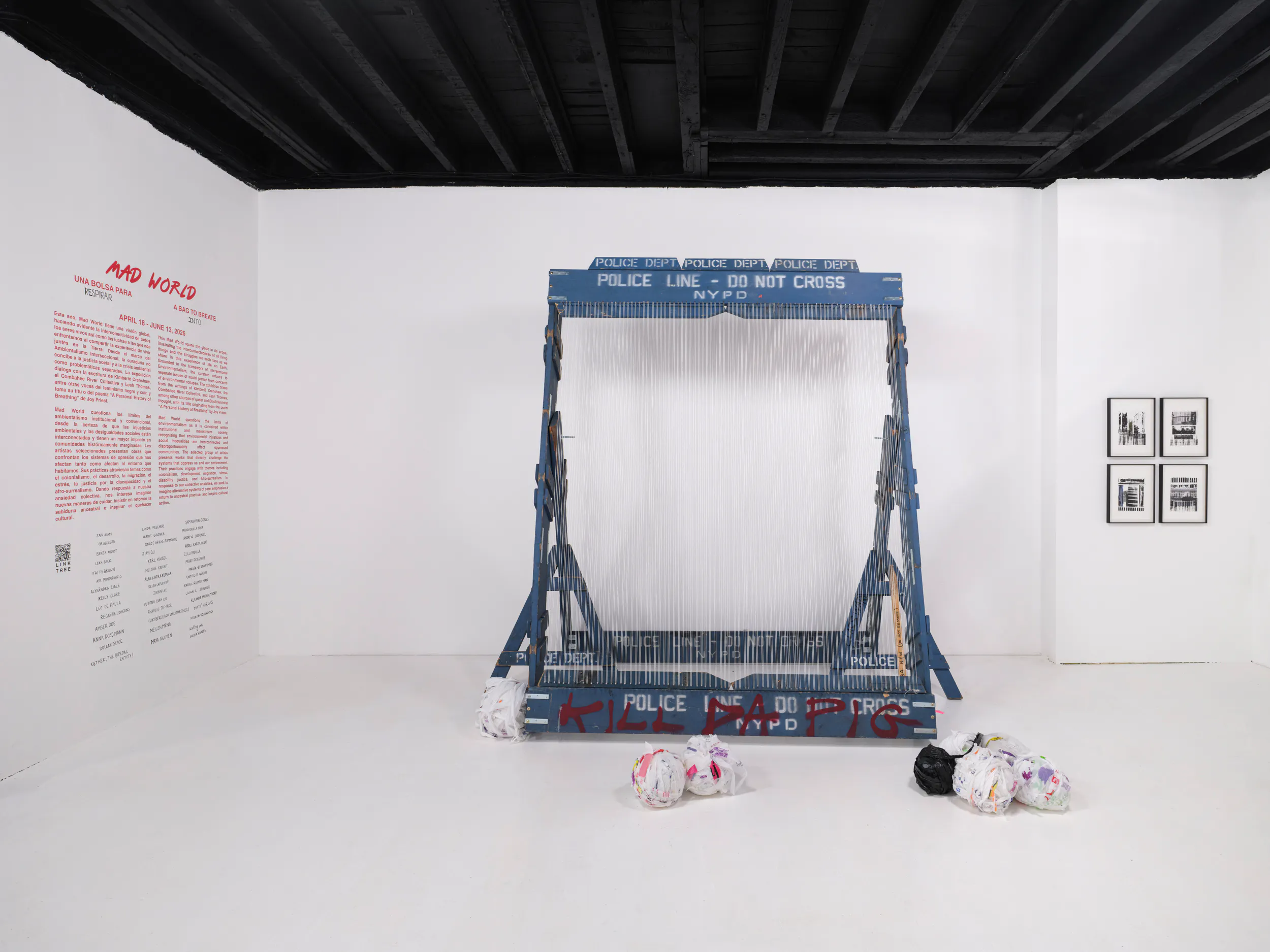
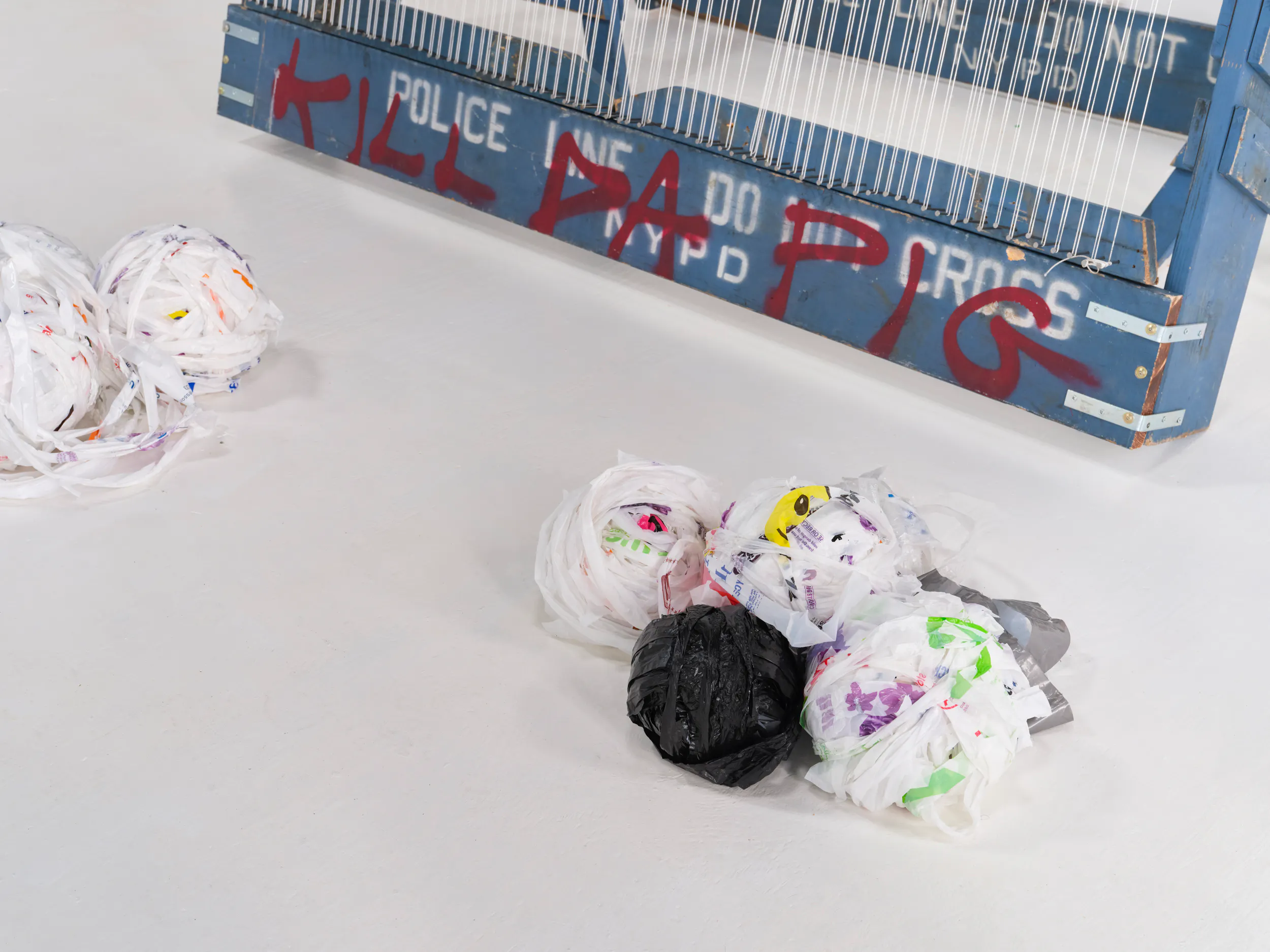
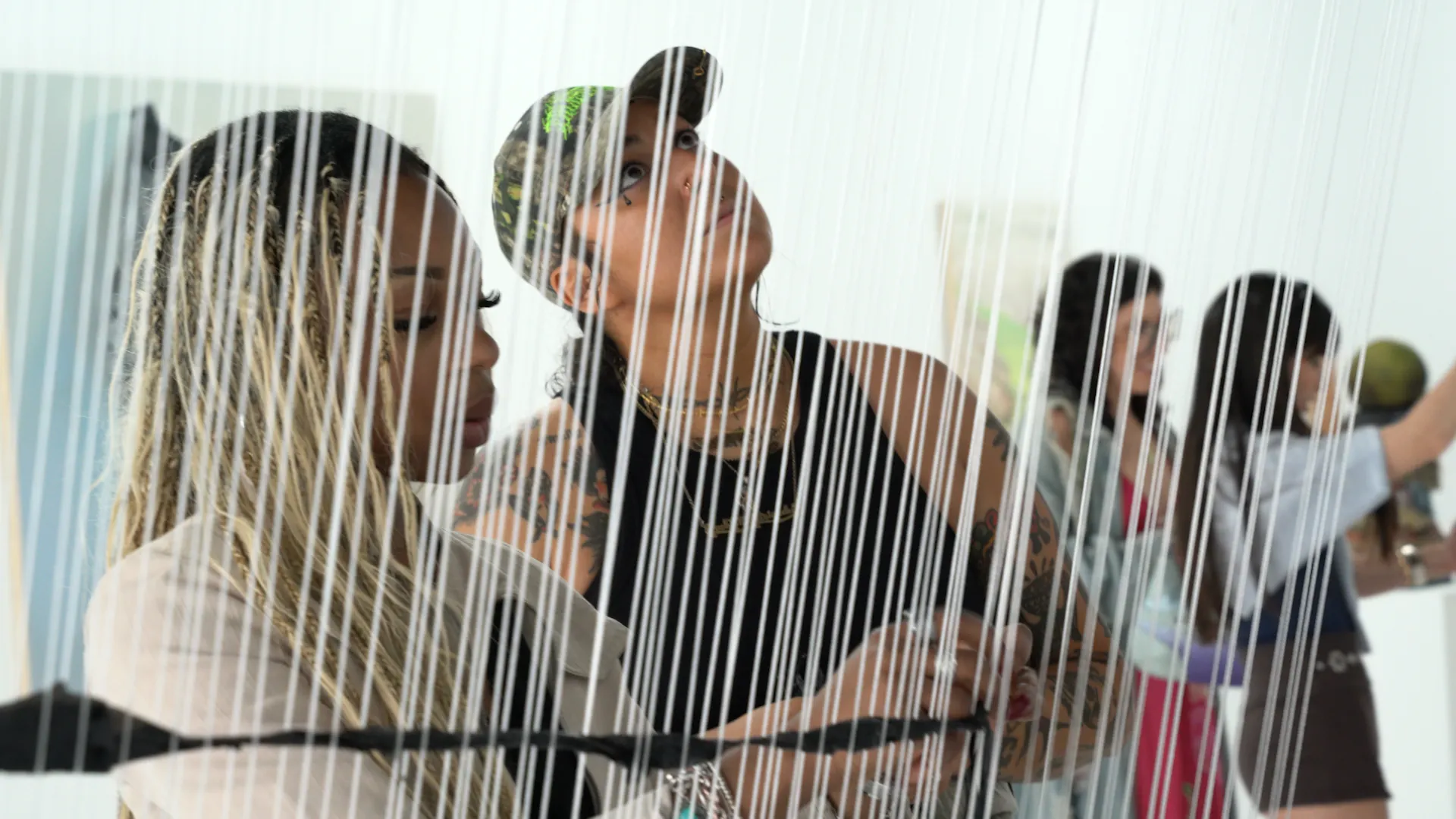
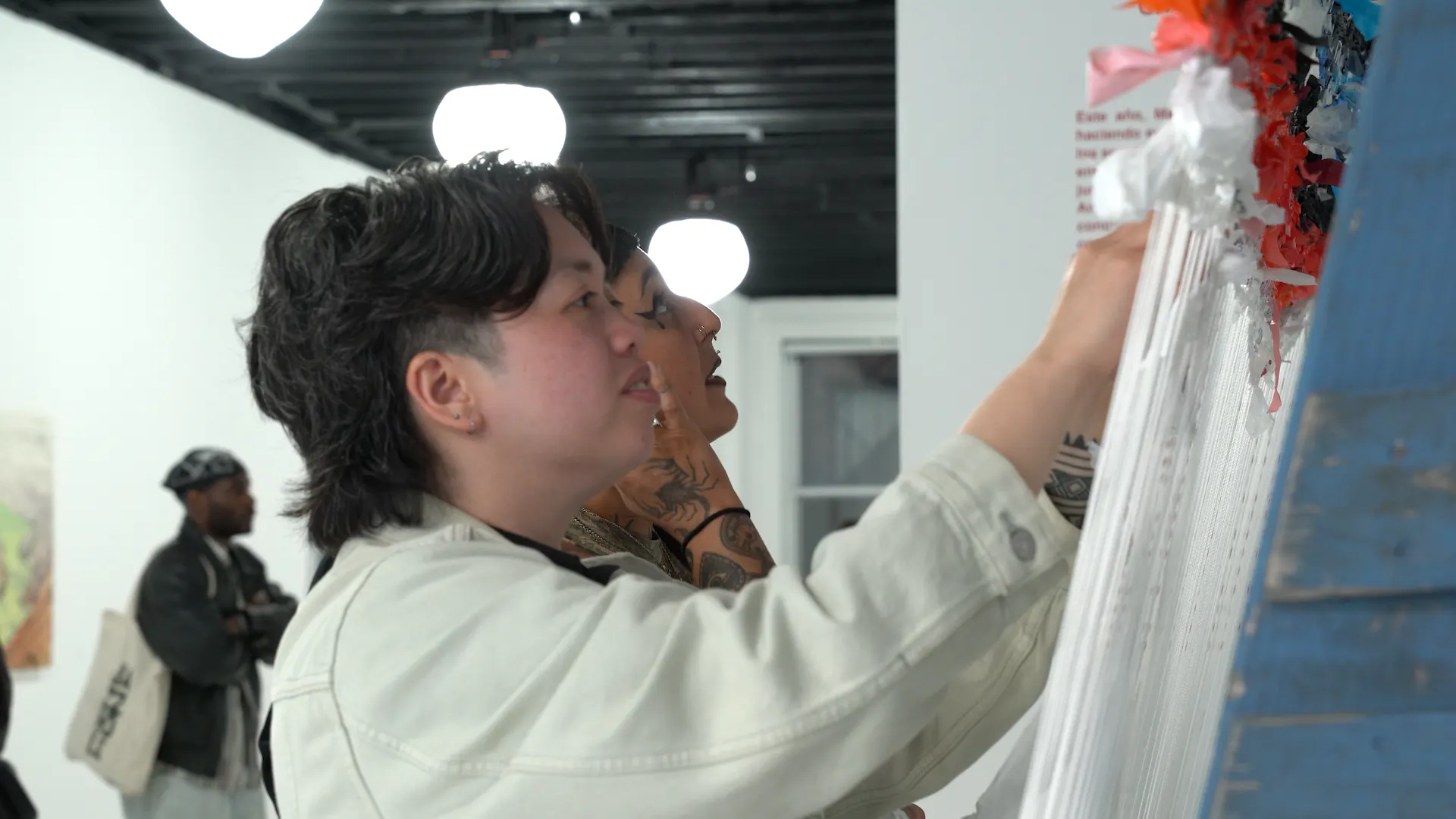
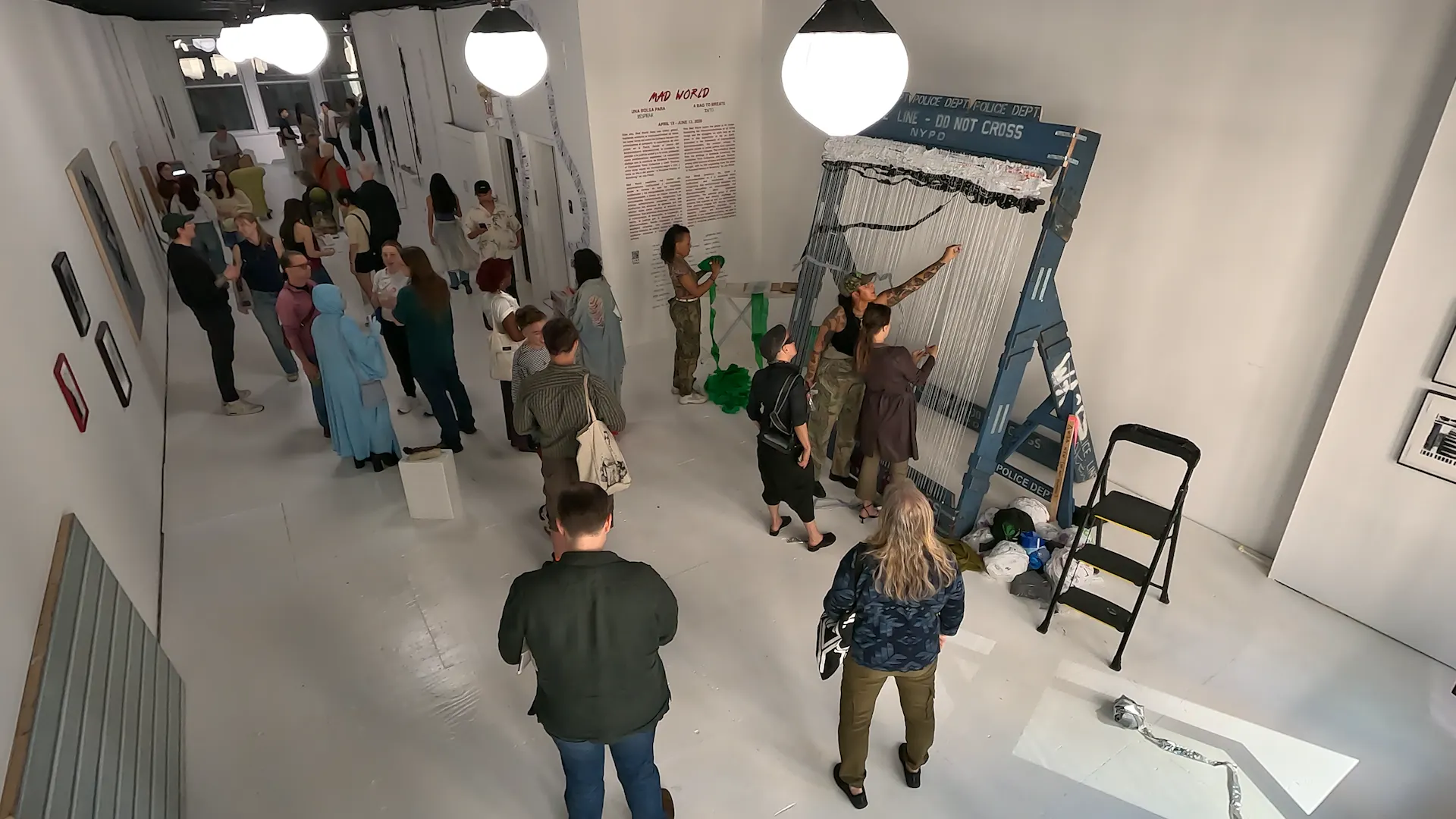
Thank you, Come again is a community engaged installation, inviting the public to weave their consumer detritus into a community flag, or bandera. This work seeks to problematize the parallels between plastication, policing, and immigration in a time of climate crisis. This socially collaborative project visualizes cross-cultural traditions of weaving and craft through accessible, reclaimed material. For this installation, bags were collected and donated by the public, evoking community collection as solidarity; And the loom is built using reclaimed police barricades, representing the violent legacy of policing of immigrant peoples. Thank you, Come again is named for the quintessential plastic bags that inhabit our lives here in New York City. Plastification is often perceived as unnatural,invasive, foreign, toxic, inevitable, and pollutant-And plastic bags are the epitome of that pollution. This work engages with the tension between how we talk about plastification and how society frames immigration. Government agencies frame immigrants as illegal, unnatural, infestive, foreign, and alien. The dehumanization of immigrants is used to justify over-policing, ICE raids, kidnappings, murder, unjust detention, and incarceration. Additionally, the plastic bag is a relic of immigration. Some of us traveled with plastic bags, carrying and concealing the few remnants of our homelands in them; We took them, reused them, and collected them as daily tools. Our collectively made bandera demands visibility; Visibility of histories of oppressions, imperialism, displacement, police violence, resistance, and ever-presence. Thank you,come again demands a rethinking of immigration history through materiality, and asserts futurity; Just like the plastic bag, we will permeate and remain everpresent within the American zeitgeist. May we remain woven together against oppression, may this flag outlive our oppressors.
ABOUT REGAN DE LOGGANS
Regan (they/themme/theirs) is an anthropologist, artist, curator, and educator based in Lenapehoking on the ancestral lands of the Munsee-Lenape of Manahatta and so-called Brooklyn. They are a genocide and fashion studies scholar, a textile artist, and general menace to society. They are a Social Practice CUNY (SPCUNY) fellow.
Regan’s work is multifaceted and attempts to honor conversations around land, diaspora, un/belonging, consumerism, and futurity. As a found object artist, they use reclaimed items like barricades, plastic bags, and upcycled cloth as means of combating hyperconsumption in the arts. Their art hopes to invite the community to engage in conversation and action inspired by radical, abolitionist politics, and histories. They seek to elevate craft art, which has historically been relegated into privatized spheres, becoming the artwork of women, BIPOC peoples, and queer individuals.
Esther The Bipedal Entity

Esther The Bipedal Entity is a conduit through which various biochemical algorithms choose to express themselves. In her practice, Esther explores history, media studies, fashion, and dance through video and live performance. After stints as a video producer at NYLON and Hearst, she recognizes the limitations of legacy media and seeks to create concise and engaging content to better contextualize our position in history.
To explore why people treat each other the way they do, Esther dives into history to find the economic, political, and religious roots of the social structures that flow through us and by us. Esther’s main sources are books which she adapts into scripts. She then prerecords her scripts and lip-syncs to them in front of a green screen. In post, she animates herself over found footage, images, paintings, etc. to craft a final product. Esther utilizes her background in media production to create content to better contextualize our position in history, so that we might be able to imagine a more equitable future.